Fundraising target exceeded
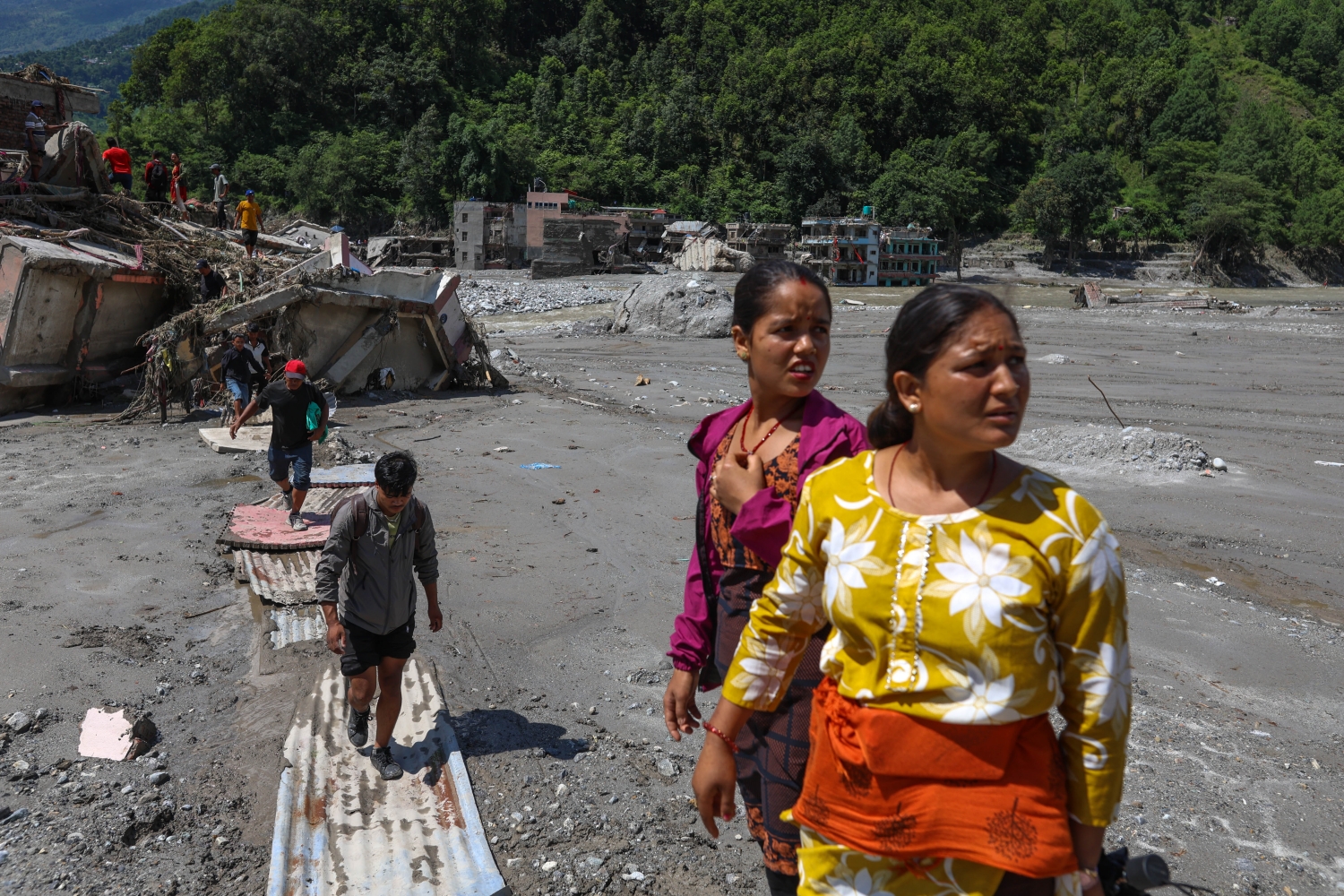
Our Big Give emergency appeal, launched in response to the devastating floods of 26 August, closed yesterday having raised an extraordinary £102,630 – slightly exceeding our target. A further £6,890 will be added through Gift Aid on eligible donations from UK-taxpayers.
We are immensely grateful to the individuals and organisations that provided matching pledges, and to everyone who donated online. Thanks to the matching funds, every online donation was automatically doubled in value.
However, the fundraising challenge is far from over. We have approached several major foundations to ask whether they might match the substantial sum already raised and we hope to be able to add some gifts from recent Wills. Our aim is to build our new Children’s Emergency Relief Fund as strongly as possible so that we can support children affected by the disaster not only now, but for many years to come.
Taking the right action at the right time
It will take time to complete our assessment, working alongside others, and determine how these funds can be used most effectively and transparently.
We remain convinced that immediately sending money and supplies to meet perceived, rather than verified, needs would have been the wrong response and wasteful. There appears to be no shortage of supplies in regional distribution centres, nor of funds held by the Nepalese authorities and major aid agencies. Estimates suggest that the Nepal Prime Minister’s Disaster Relief Fund may currently contain more than £73 million.
Instead, the immediate challenge for relief workers is getting supplies to remote villages after roads and bridges were swept away, compounded by the lack of heavy-lift helicopter capacity. There is little that Pipal Tree can contribute to this immense logistical task beyond recognising the Herculean efforts of the Nepal Army and everyone working to restore communications, rescue survivors and support affected communities.
Given this situation, we have chosen to direct our resources towards the children who will need sustained help – particularly those who have lost one or both parents.
A recent article in the highly respected Nepali Times illustrates the continuing – and unsurprising – uncertainty surrounding the numbers. One government survey identified 104 children who had lost one or both parents and a further 439 who had been separated from their parents, whose whereabouts remain uncertain. Another survey by the Ministry of Education reported that 9,430 children had lost one or both parents.
These widely differing figures underline the importance of careful verification. We want to be there for affected children long after the disaster has disappeared from the headlines and the immediate relief and rehabilitation effort has ended (this happens to be an approach we share with our friends at the Britain–Nepal Charitable Trust charity).
Our intended areas of support
At this early stage, we envisage our assistance taking three principal forms:
- Trauma-informed care and psychosocial support. This will be particularly challenging because, as the Nepali Times article highlights, Nepal does not currently have enough trained psychosocial counsellors to support children attending temporary learning centres. Notwithstanding this limitation, from our personal experience of child trauma management (which in my case goes back to early work in Nepal in 2004) we are exploring urgently what practical contribution we can make.
- Material support for families caring for bereaved children. Wherever possible, children should be supported within a family and community rather than placed in institutional care and we will support that approach as a priority. We nevertheless recognise that there are a small number of high-quality childcare facilities that may provide an essential safety net when suitable family care cannot be found.
- Educational support. This may range from providing school uniforms, books and stationery to funding longer-term bursaries that enable bereaved children to continue their education and access the best opportunities possible.
Although much of our support will begin only when needs have been properly assessed and the time is right, preparations are already progressing. Our local implementing partner, the social enterprise Lily’s Leaves, is actively recruiting field staff, identifying suitable mental-health professionals and liaising with colleagues in other organisations to ensure that our work complements the wider response.
We will publish our next update at the end of the month and explain how this work is progressing.
Thank you once again for your support.
Philip Holmes OBE
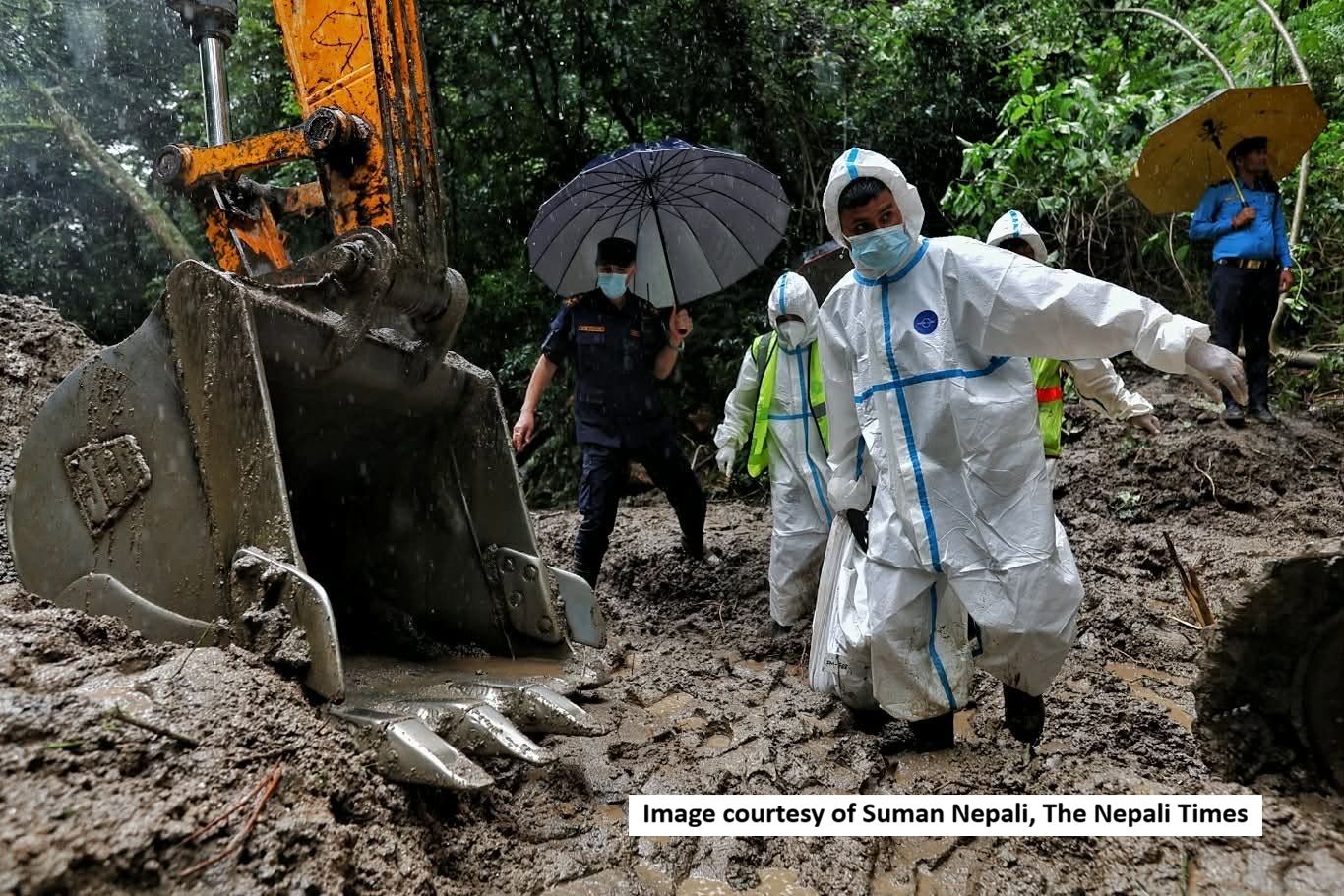
Image courtesy of Suman Nepali, the Nepali Times