Work is under way on two new urban forests in Kathmandu Valley, continuing the rapid growth of our Urban Nature Programme with Lily’s Leaves.
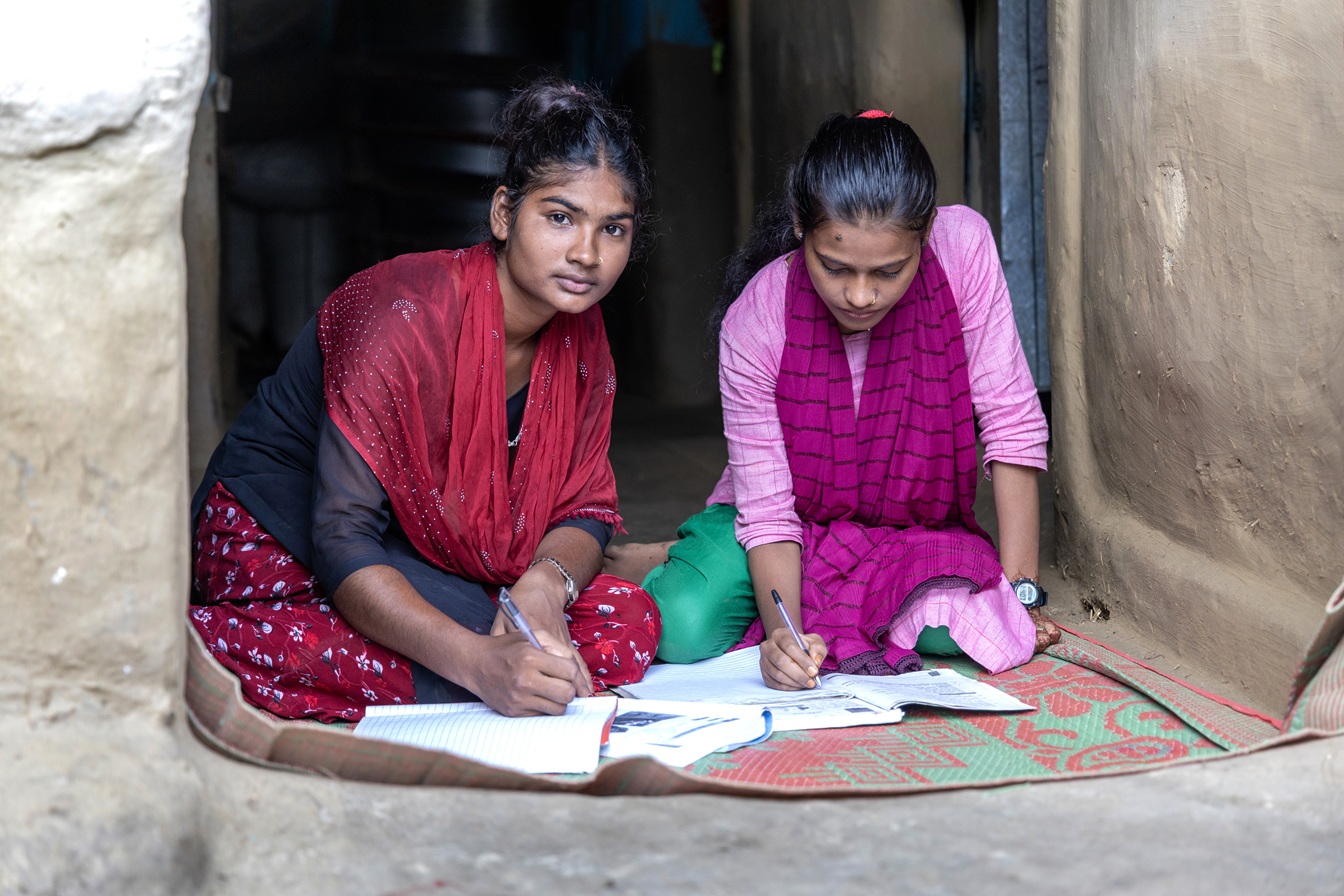
Eight forests have already been established since the programme began in 2023. The latest developments, at Pulchowk Engineering Campus and beside the Bagmati River, will take the total to ten. Young deaf women employed by Lily’s Leaves continue to play a leading role in this work, transforming neglected public land into dense forests of native trees.
From social enterprise to urban nature
Pipal Tree helped establish Lily’s Leaves as a women-led social enterprise in October 2020. Its initial activities focused on jewellery making and basic tailoring, providing training and employment for young deaf women in Kathmandu and women from impoverished rural communities in southern Nepal.
In July 2023, the programme was reshaped. Basic tailoring training moved to Sarlahi District, closer to the trainees’ homes, while the young deaf women in Kathmandu began leading our new Urban Nature Programme.
Building on our experience of the Miyawaki Method in south Nepal, the programme restores neglected and degraded public land by creating dense forests using native species. The forests are supported by two Lily’s Leaves nurseries established in 2025, where native trees are grown from seed.
A demonstration forest at Pulchowk
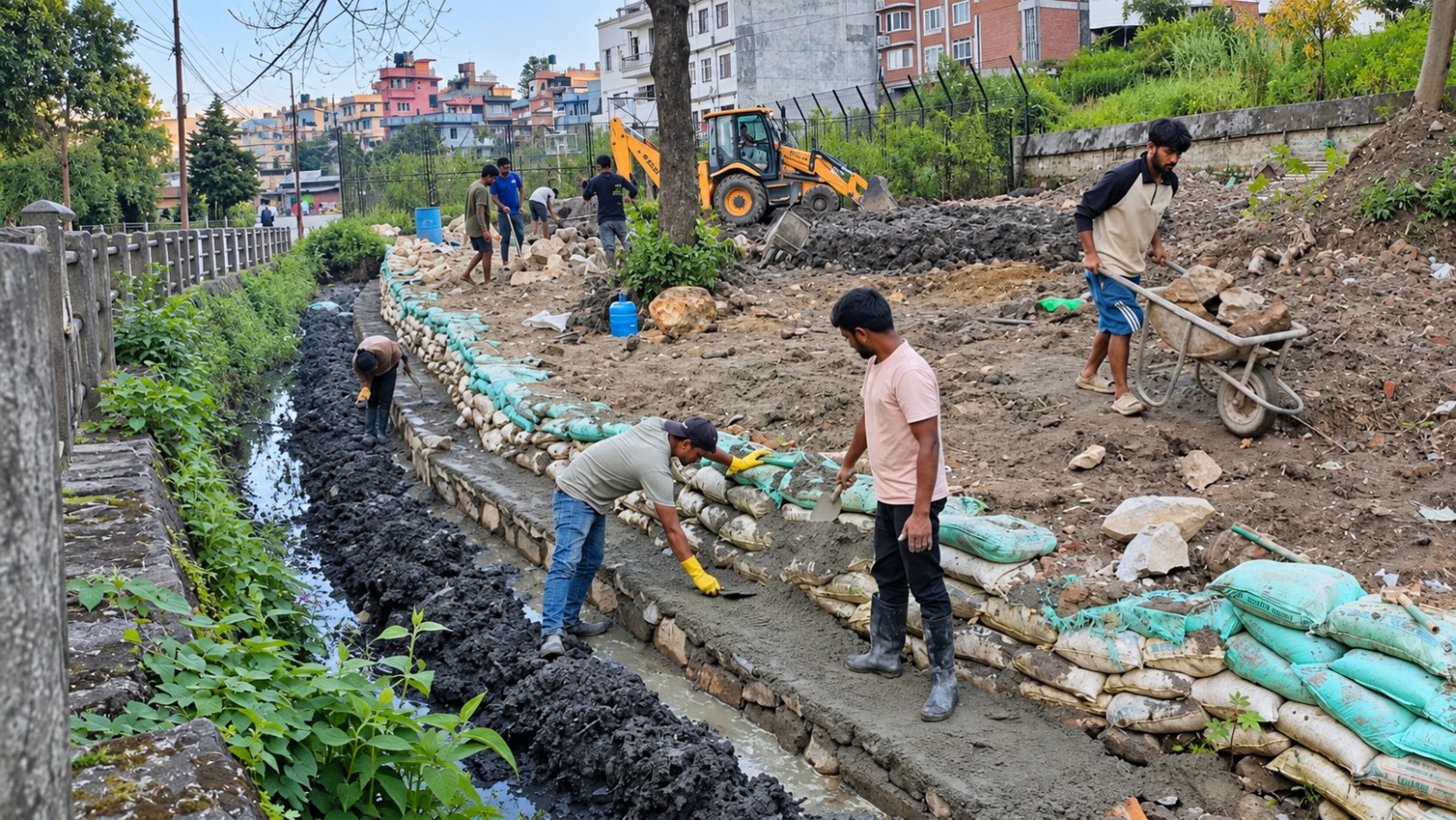
One of the two new forests is being created at Pulchowk Engineering Campus. This site is particularly important because it can serve both as a public demonstration forest and as a focus for research at Nepal’s leading academic centre for engineering and urban planning.
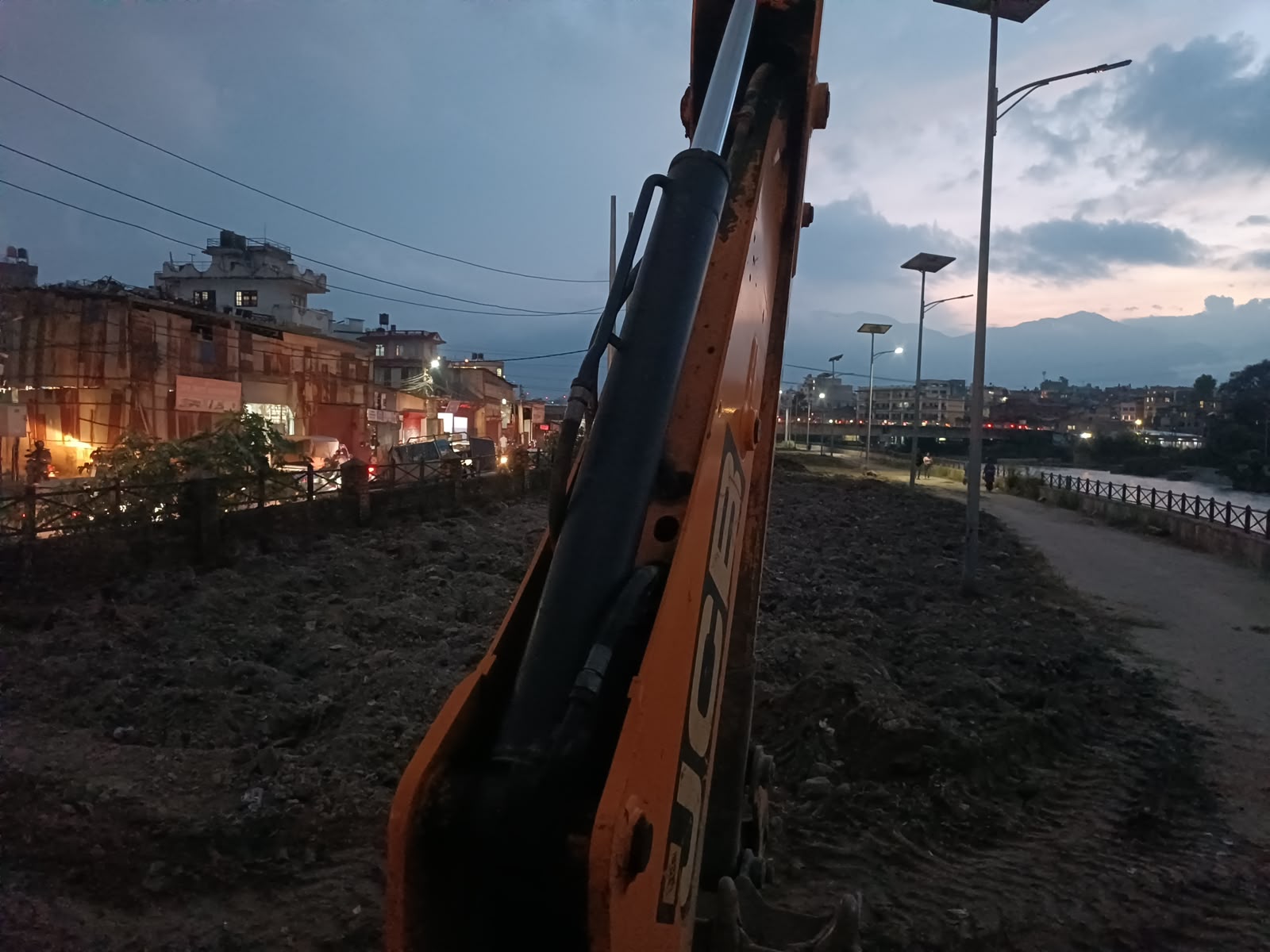
The project was introduced in this previous blog post. As with all of our urban sites, considerable preparatory work has been required in the meantime. Administrative hurdles had to be overcome before invasive vegetation, rubbish and rubble could be cleared. The film below, sent to us yesterday by Lily Katuwal KC, Founder of Lily’s Leaves, shows the scale of the earthmoving and deep excavation required before planting can begin.
Extending our work beside the Bagmati River
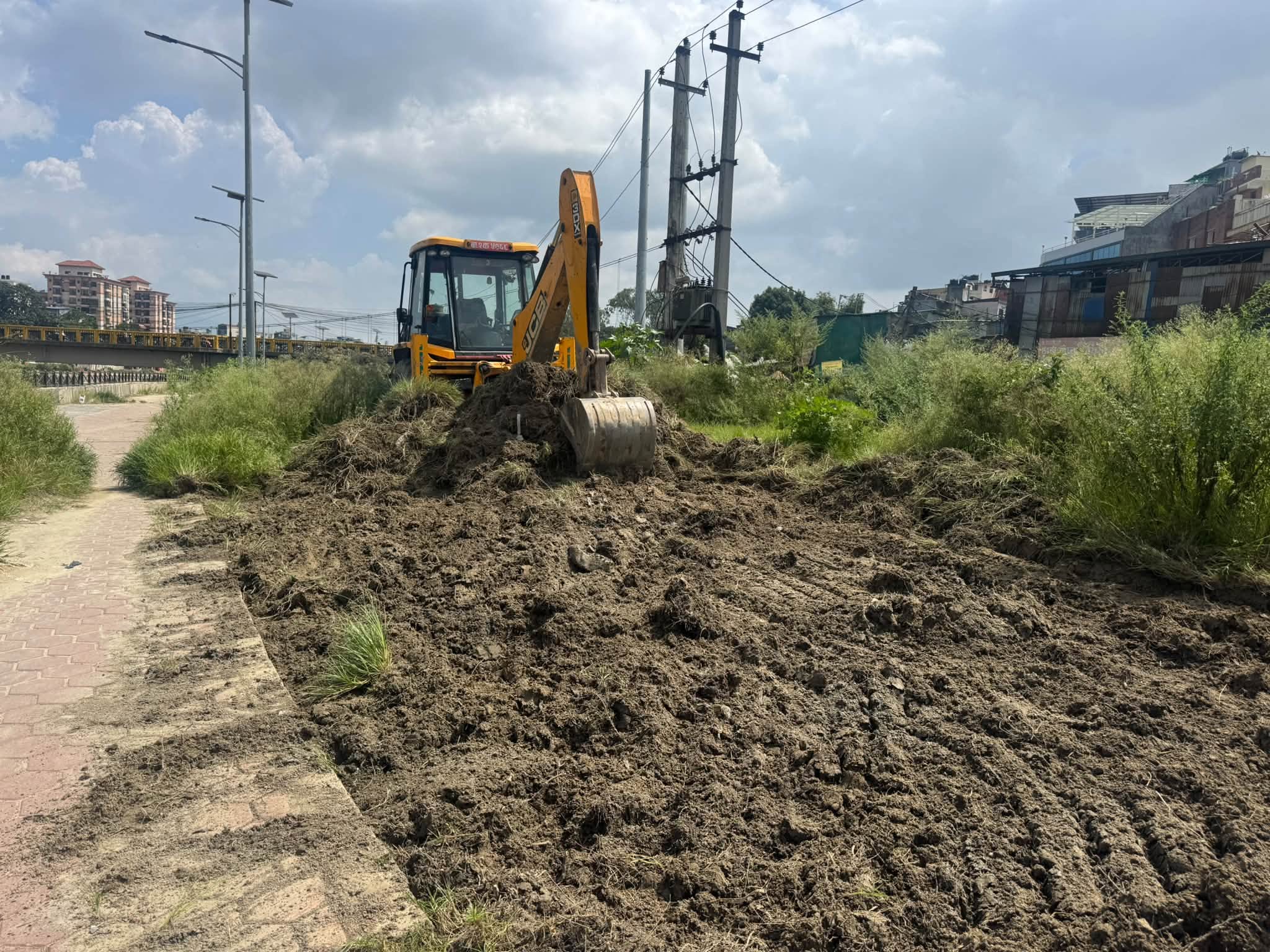
The second new forest is being developed beside the Bagmati River, adjoining ‘Joe’s Forest’, which was planted earlier this year. The soil at the new site consists largely of sand and will require considerable enrichment with compost. However, this approach has already proved successful at Joe’s Forest, where the young saplings are flourishing.
Together, the two phases will help restore another neglected area beside Kathmandu’s principal river.
Taking the programme beyond Kathmandu
Our plans for the coming time are ambitious, as ever. We have applied to the British Government-funded Darwin Initiative under its Capability and Capacity programme. Our proposal would strengthen Lily’s Leaves through specialist training, including bespoke one-to-one support for Lily Katuwal KC offered free of charge by the Royal Botanic Garden Edinburgh. This train-the-trainer approach would enable Lily to pass new skills to the wider workforce. The programme would also take the Miyawaki Method to five additional urban centres across Nepal by training new partner organisations.
To this end, we have requested £250,000 towards a £400,000 three-year programme beginning in April 2027. Pipal Tree would raise the remaining £150,000 through Big Give campaigns and other sources. Competition for Darwin Initiative funding is intense, but our application is strong given our track record and prominent supporters. We expect to learn the outcome by December 2026, but whatever the decision, we intend to expand the Urban Nature Programme progressively as funding allows through continuing institutional and corporate grants and gifts made in Wills or in memoriam of loved ones.