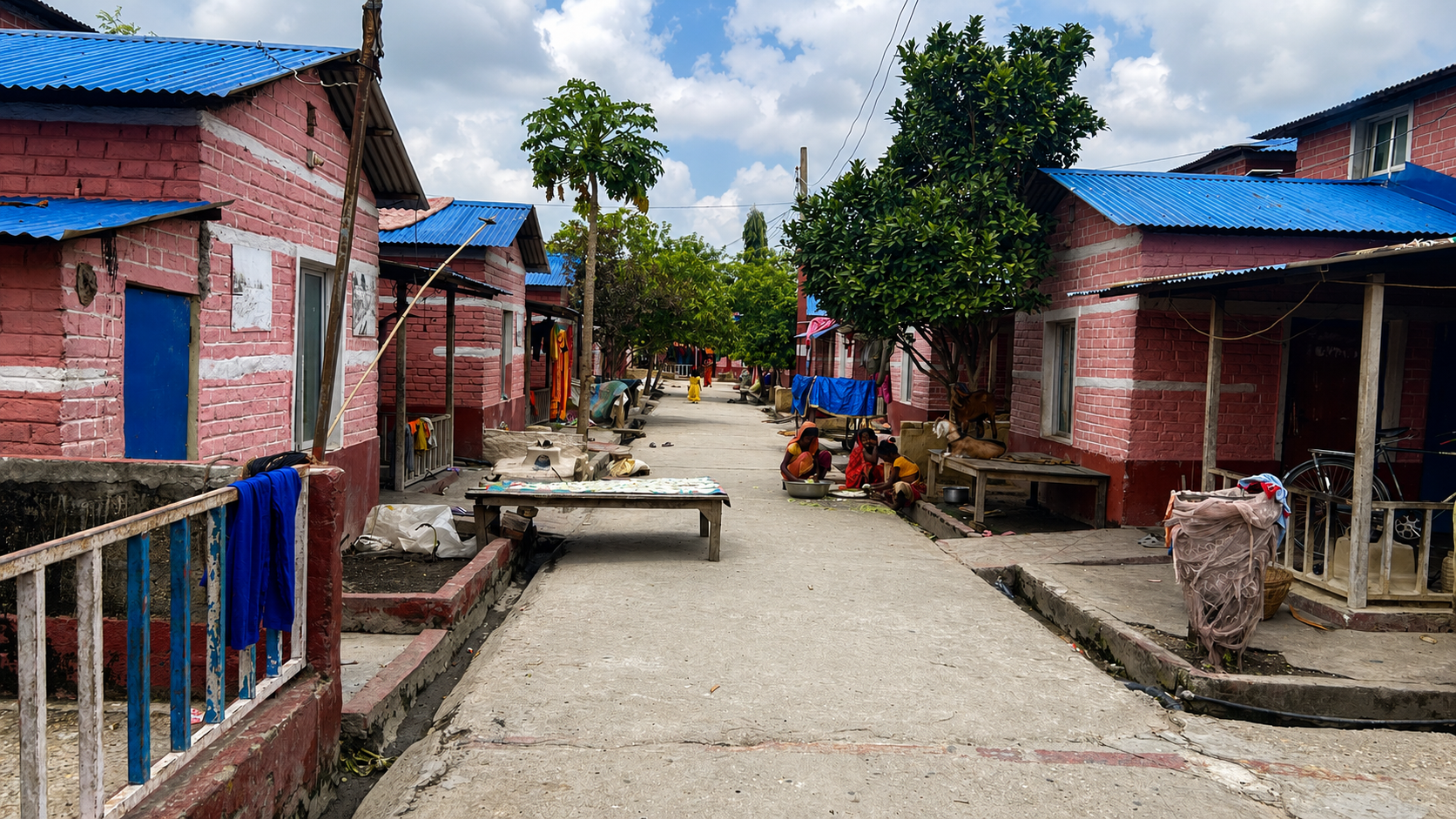
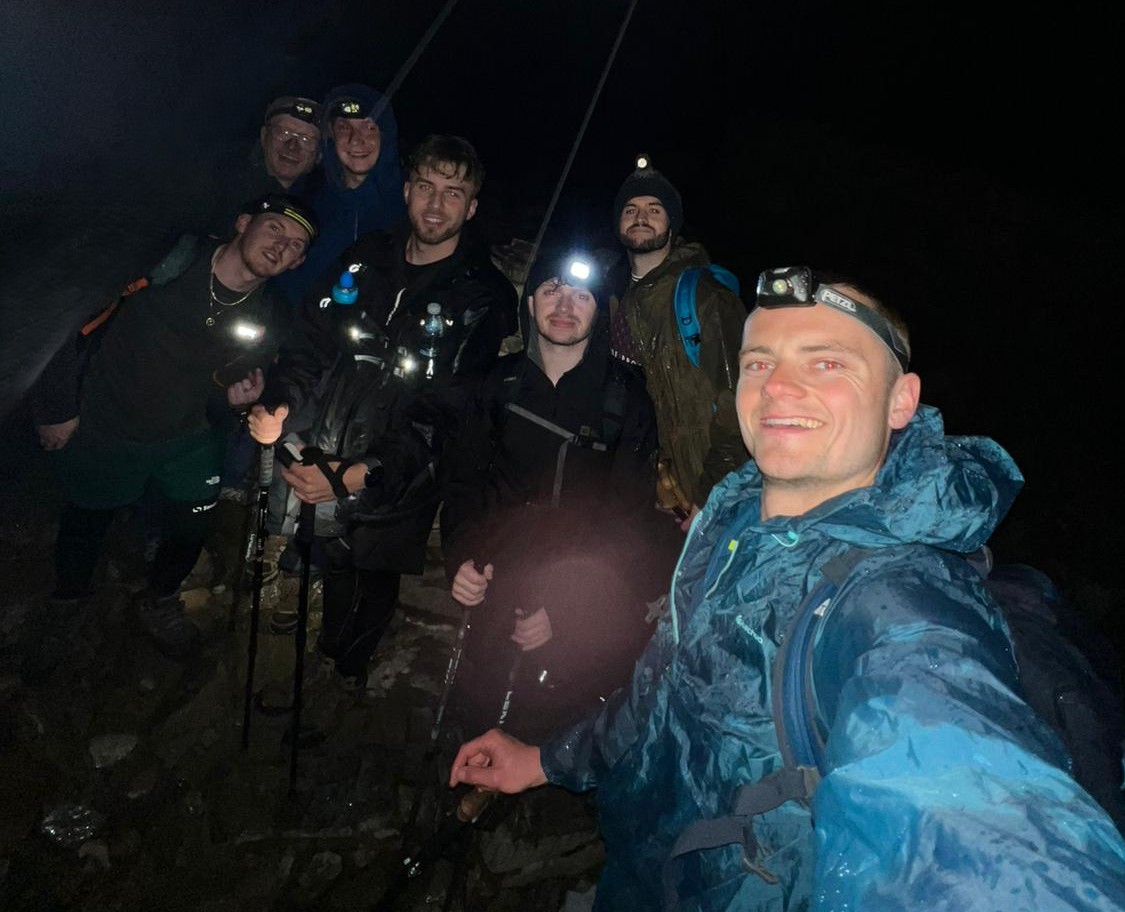
I am very pleased to announce that, through a bequest from the late Mr Jeremy Short, we have been able to launch a new Young Conservationist Award. And we have selected three young people who will benefit from a three-month internship that covers food, accommodation and a very good stipend while in the employment of our partner in south Nepal, The Mithila Wildlife Trust. Each will gain invaluable work experience in an area of the Trust’s work according to their interests and the needs of the Trust at any particular time. The first three recipients are:
Aarti Yadav (title picture) who has recently completed her Bachelor’s degree in Forestry. Aarti writes:
“As an undergraduate, I carried out a research project titled “Diversity and Distribution of Medicinal and Aromatic Plant Species in Dhanushadham Protected Forest.” Through this study, I gained valuable field experience in plant identification, data collection, and analysis related to medicinal and aromatic plants (MAPs). The research also helped me understand the ecological importance of these species and the role of local communities in their sustainable management.
I am passionate about continuing my work in the field of forest resource management and biodiversity conservation to contribute to the sustainable use of Nepal’s natural resources. I had conducted forest inventory and from the inventory, I found a total of 276 plant species were identified among which 38 species were MAPs in the Dhanushadham Protected Forest. These species represent a rich diversity of plant resources used for various medicinal, aromatic, and cultural purposes by local communities. Among them, I recorded several high-value species such as Shorea robusta (Sal), Phyllanthus emblica (Amala), Acacia catechu (Khair), Eucalyptus camaldulensis (Masala), Asparagus racemosus (Kurilo), Acorus calamus (Bojho), Rauvolfia serpentina (Sarpagandha), and Swertia chirayita (Chiraito), indicating the ecological and economic significance of the area.”
Bibek Raut is in his final year of studies towards his Bachelor’s in Forestry. Bibek writes:

Bibek (left) returning a snake to the wild
“I am working with the Mithila Wildlife Trust (MWT), where I am engaged in snake rescue operations and snake data management under the Human–Wildlife Coexistence programme. My responsibilities include safely rescuing snakes from human settlements, identifying species, maintaining rescue records, and contributing to community awareness activities that promote safe and compassionate coexistence. This work has provided me with valuable hands-on experience in wildlife handling, conflict mitigation, and data documentation.
I have also participated in the Nepal Snake Festival, an important awareness and conservation event organised by Mithila Wildlife Trust. Through this festival, I have contributed to educating local communities about snake ecology, snakebite prevention, and the importance of conserving reptile species.
Furthermore, I have been involved in the Miyawaki Plantation Project of MWT, where I contributed to site preparation, planting, maintenance, and survival monitoring of densely planted native saplings. This initiative has strengthened my practical understanding of rapid afforestation techniques and their role in enhancing urban biodiversity and ecosystem restoration.
I am also actively involved in bird watching and bird monitoring activities conducted by MWT. These activities have broadened my skills in avian species identification, habitat observation, and field data collection, contributing to ongoing biodiversity documentation efforts in the region.“
Sadhna Bhattarai has recently completed a Bachelor’s degree in Environmental Science. Sadhna writes:

Sadhna conducting community research
“My undergraduate thesis was titled “Conservation Status of Freshwater Turtle at Dhanushadham, Madhesh Province, Nepal” for which I assessed the distribution, threats and conservation challenges faced by freshwater turtles in the region. I have been actively involved in several environmental activities ranging from collecting rainfall data to volunteering at the Mithila Wildlife Trust’s Owl Festival to taking part in a Human-Elephant Co-existence workshop. Through this workshop, I gained knowledge on human–elephant conflict, mitigation strategies, and practical measures that communities can adopt to reduce conflict and promote coexistence. From both academic and field experience, I have developed research skills and the ability to work closely with local communities. Now, I am more motivated to continue contributing to environmental protection, wildlife conservation, and sustainable development in Nepal, and I look forward to expanding my involvement in future conservation initiatives.“
Going forward, through this bequest we will be able to fund three new interns each quarter at a cost of £550 per month for the next three years. At the end of each quarter the interns understand – at this stage at least – that the likelihood is that they will have to move on to other employment or training.
However, we are keen to find individual or organisational sponsors who would be willing to fund an intern as an Mithila Wildlife Trust staff member (subject to satisfactory performance as an intern) for an additional nine months. An appropriate salary for a junior staff member would be £220 per month.
If you are able to pledge to sponsor one or more new staff members at £1,980 per graduate then please let me know. This represents a wonderful opportunity for you or your organisation to see the impact of your donation while giving a young person a tremendous start in a career in conservation and environment – while benefitting nature in south Nepal!