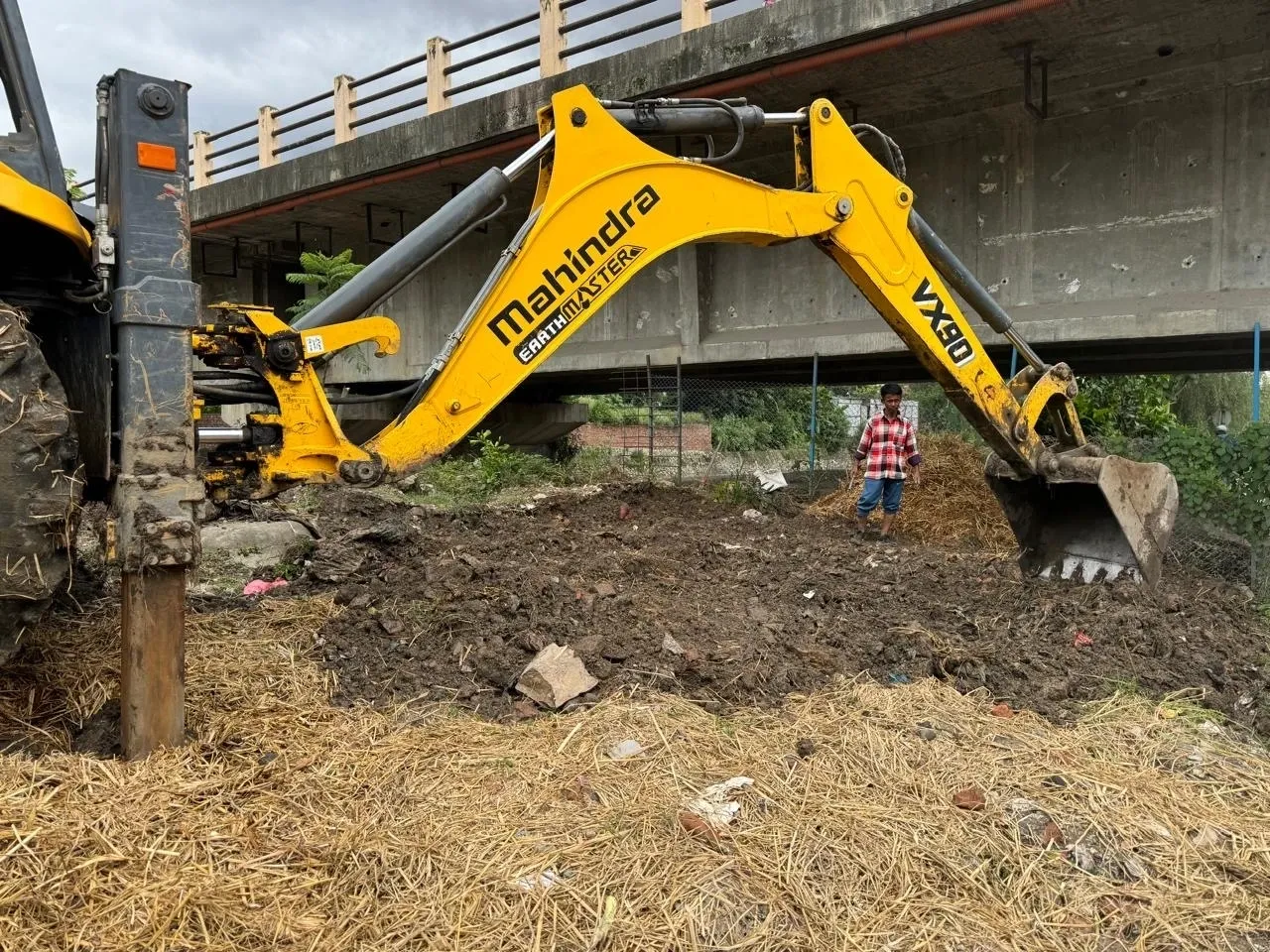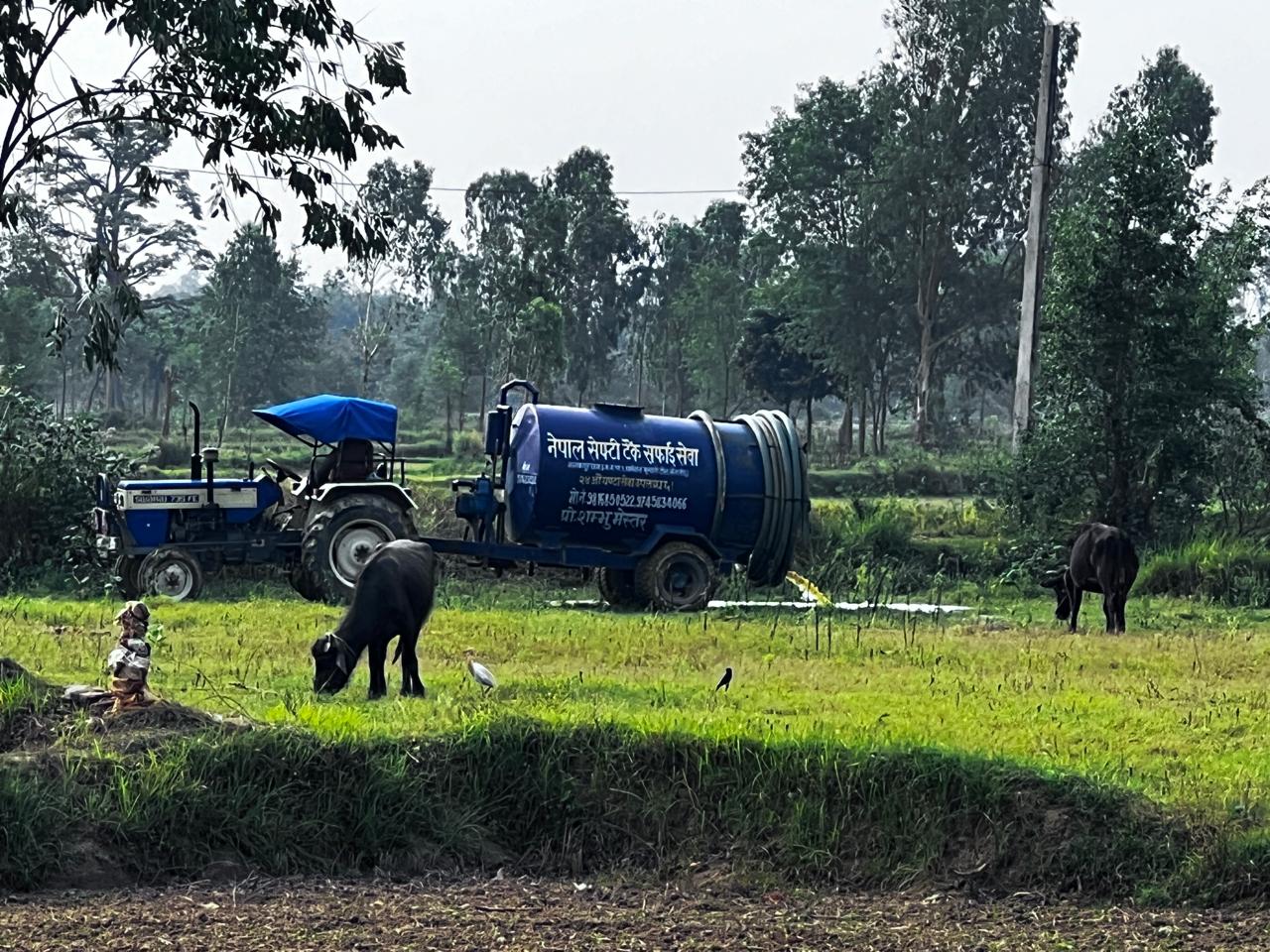
In Dhanusha District in south Nepal, a quiet but urgent sewage crisis is unfolding. Faecal sludge from septic tanks is being routinely dumped in open areas, fields, and waterways, contaminating land, polluting water sources, and posing serious risks to public health. Raw sewage is spread on the same fields that children play in and bacteria and parasites easily enter the food chain.
At the same time, farmers in the region are facing a different but connected challenge – declining soil fertility. Crop yields are falling, and many farmers depend on expensive imported fertilisers that are often unavailable when they are most needed.
We believe these two challenges can be addressed together. Subject to grant funding, we are planning to launch a new project in Dhanusha District to establish a low-cost faecal sludge treatment and composting facility. This facility will safely process around 900,000 litres of sludge each year, transforming hazardous waste into 60–70 tonnes of nutrient-rich compost.
The approach is simple, effective, and tailored to local conditions. Sludge will be treated using solar drying systems and then co-composted with shredded water hyacinth – an invasive plant that is currently clogging waterways and disrupting irrigation. The result is a safe, organic fertiliser that can be used by local farmers to restore soil health and improve crop yields. We can also use this as eco-compost for our reforestation projects.
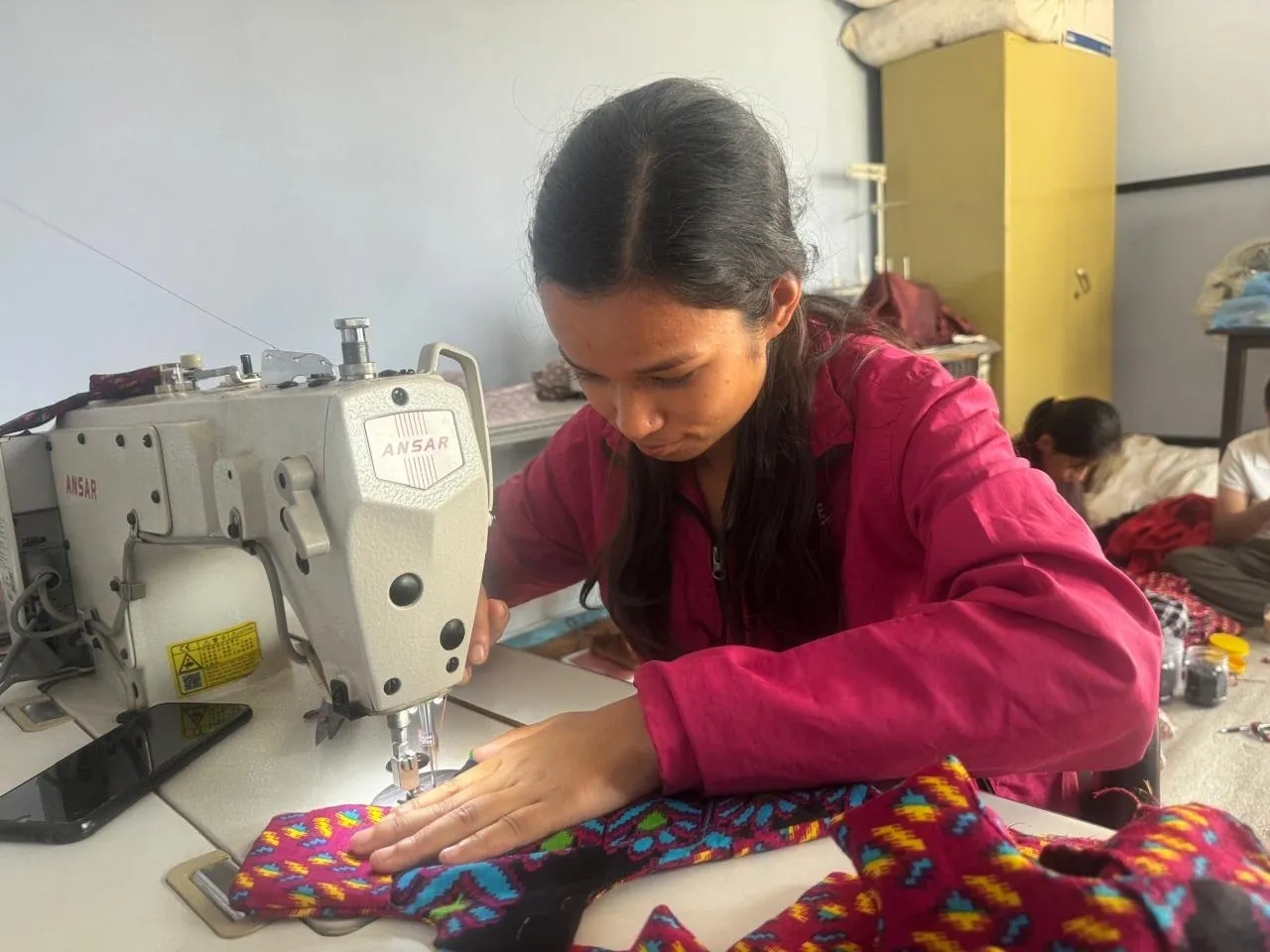
This project is not only about environmental improvement. It is also about dignity and opportunity. Much of the current sludge collection work is carried out informally by members of the Halkhor community, a marginalised group who often work in unsafe and undignified conditions. Through this project, 50 individuals from this community will receive training and secure employment in safe sludge management and compost production. We are also working to create more inclusive opportunities by involving women in compost production and distribution roles.
Our composting facility will be located near Janakpur, in partnership with the Mithila Wildlife Trust and a local desludging company that already serves 2,797 households. This ensures the system is integrated into existing services while transitioning towards safer, regulated waste management practices. We anticipate that 150 workers and farmers will benefit directly from the project with an estimated 12,800 people benefiting indirectly through improved sanitation and reduced environmental contamination
A key feature of this project is its long-term sustainability. Once established, the facility will operate without ongoing external funding. Income can arise from fees paid by desludging operators for safe waste disposal and from sales of compost to farmers and nurseries.
The immediate challenge is to find the £80,000 we need to setup the project. This has been the subject of a grant application for £70,000 to a major grant-making organisation with our offering £10,000 to make up the difference. This element will (hopefully) be raised through the Big Give’s Earth Raise campaign that is currently underway.
If you can help us with a donation towards this project you can do so through the button below, with your gift automatically doubling in value under Big Give arrangements. Thanks so much.