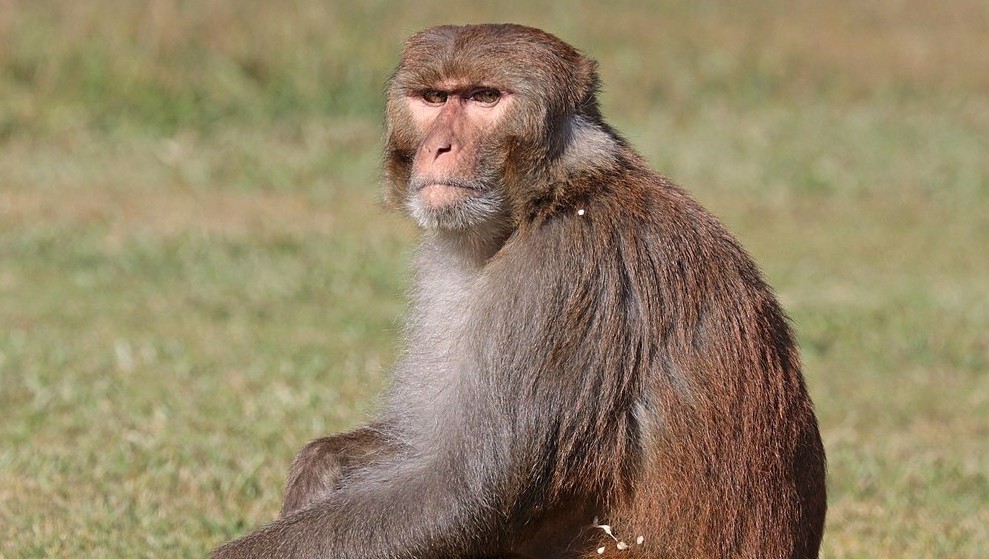
A couple of years ago, before we began our reforestation programme in south Nepal, we asked local villagers which wild animal caused them the greatest problems. I expected the usual suspects – elephants, wild boar or perhaps even leopards – to top the list. Instead, the overwhelming winner was the Rhesus Macaque. Troops of these monkeys regularly raid farmers’ fields, damaging crops in their relentless search for food.
After our experience from two days ago, we now fully understand their frustration.
As part of our Urban Nature Programme in the Kathmandu Valley, our social enterprise partner, Lily’s Leaves, established two native tree nurseries. The idea was that rather than having to rely on whatever species happened to be available from garden centres or the Department of Forestry (which largely supplies timber-producing trees) we wanted to grow our own native species from seed and cuttings for use in our rapid-growth Miyawaki forests.
One of these nurseries was established by Lily’s Leaves at Swayambhu, the UNESCO World Heritage Site that sits on a hill overlooking Kathmandu. Home to an important Buddhist temple complex, Swayambhu is perhaps better known to visitors as ‘The Monkey Temple’ thanks to the large population of monkeys that happily relieve unsuspecting tourists of their snacks. It is also the location of two of the seven Miyawaki forests planted by Lily’s Leaves since the programme began in July 2023. Those forests required substantial fencing with complete overhead protection to prevent monkey incursions.
The nursery received similar treatment. Lily’s team lovingly constructed bamboo shelving, seed tables and protective coverings, creating an ideal monkey-proof environment for hundreds of young saplings. Everything was thriving in the seasonal warmth, and the future looked promising.
Until two days ago.
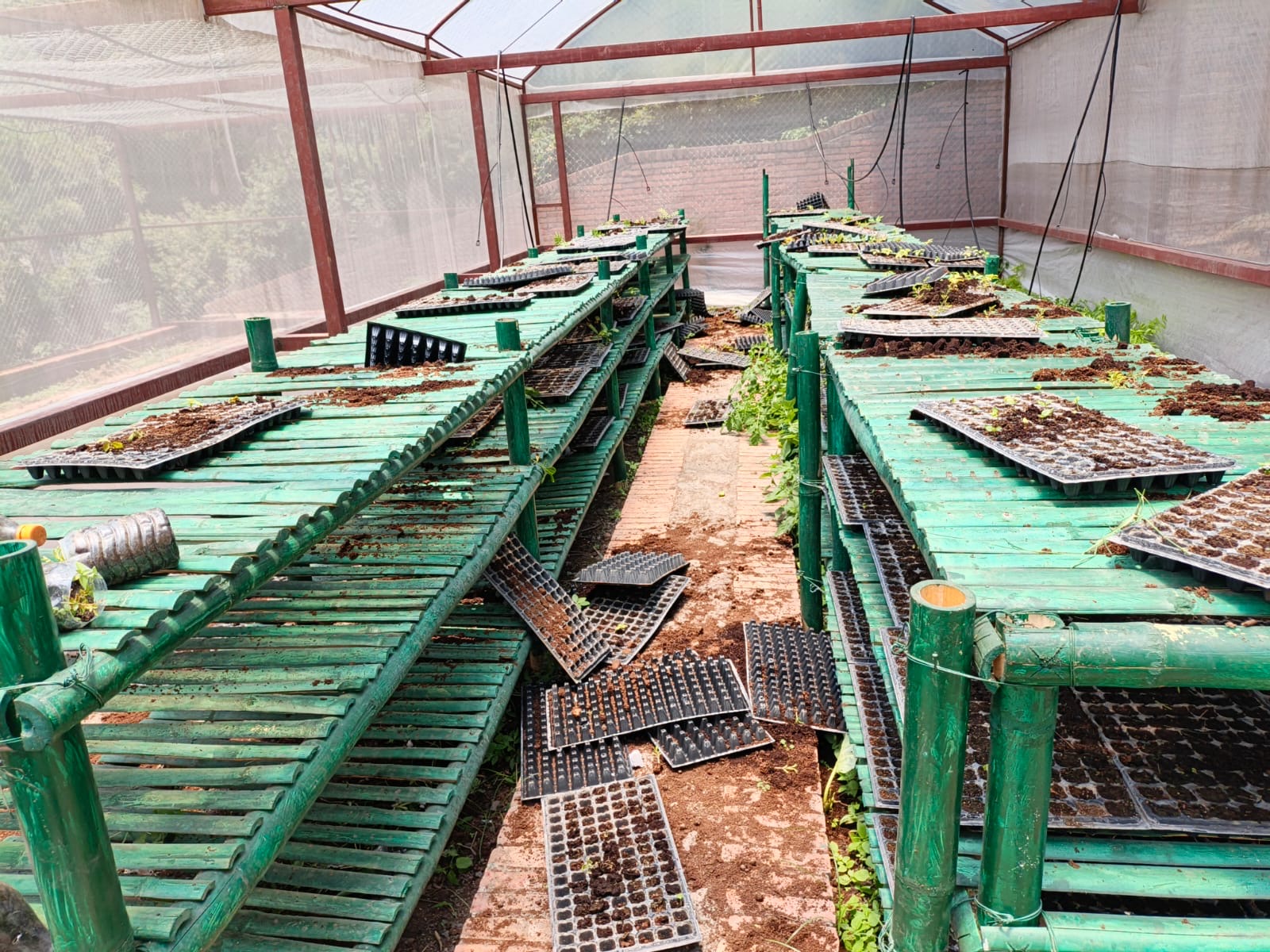
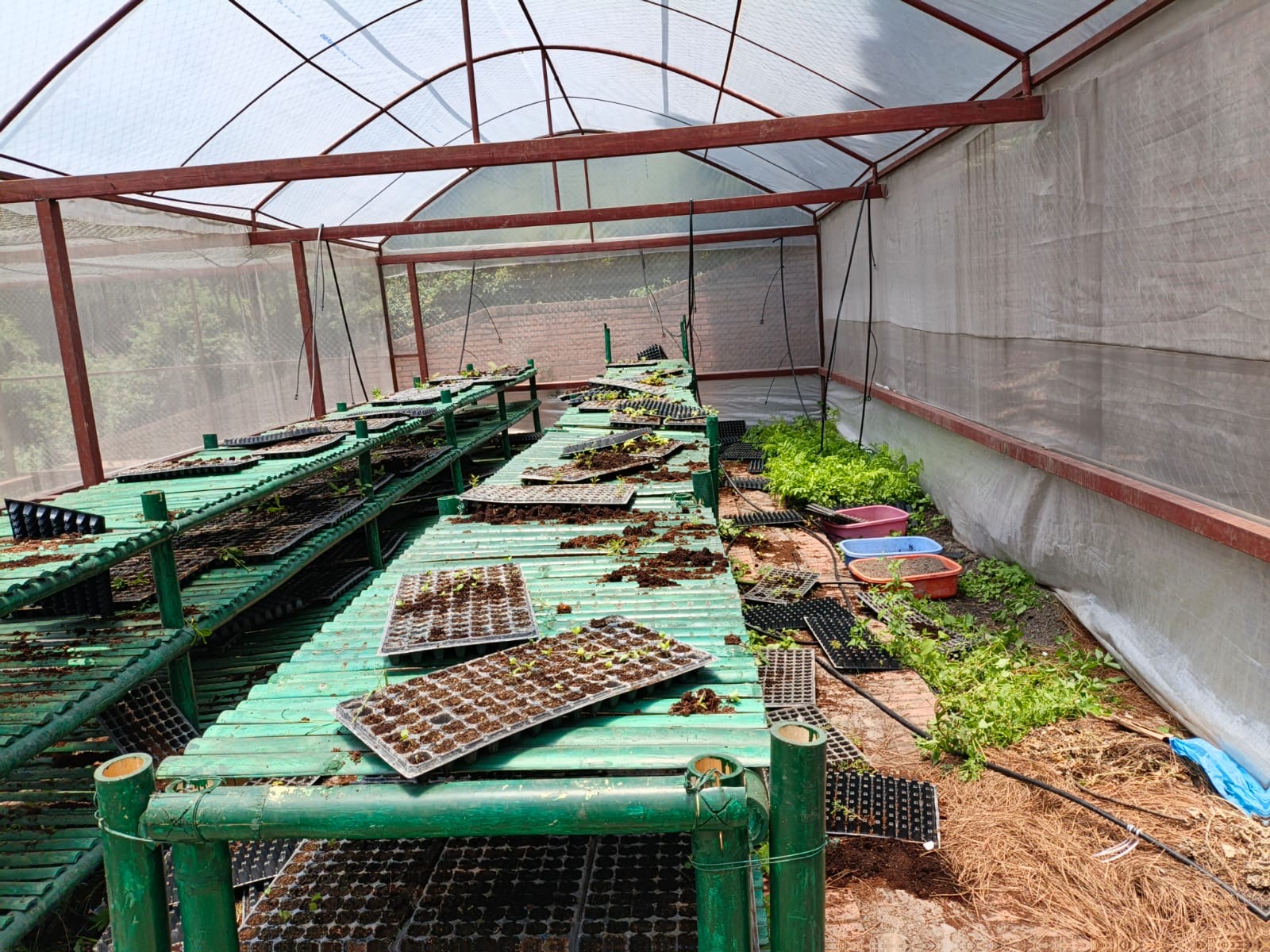
A troop of around twenty Rhesus Macaques somehow forced their way inside and proceeded to wreak havoc. Seed trays were overturned, saplings destroyed and months of careful work scattered across the nursery floor. Quite what motivated them to trash the place remains a mystery. There was no food to steal. Perhaps they simply trashed the place because they could.
In my experience, projects in Nepal often feel like being a case of two steps forward and one step back. Progress is rarely straightforward, and setbacks are part of the journey. You just have to keep going. But this is a first.
Surely we can outsmart a troop of monkeys?
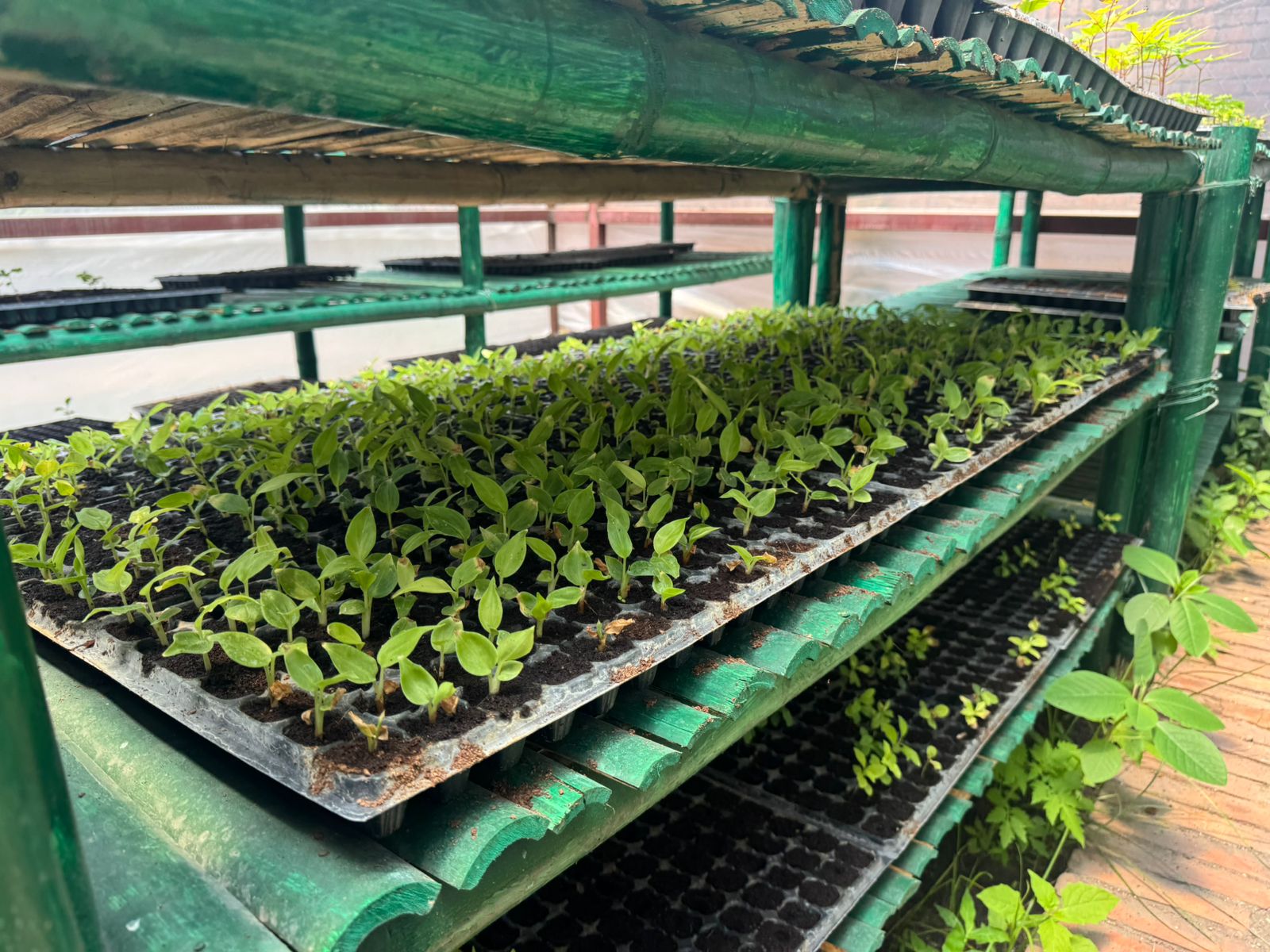
Before the raid….