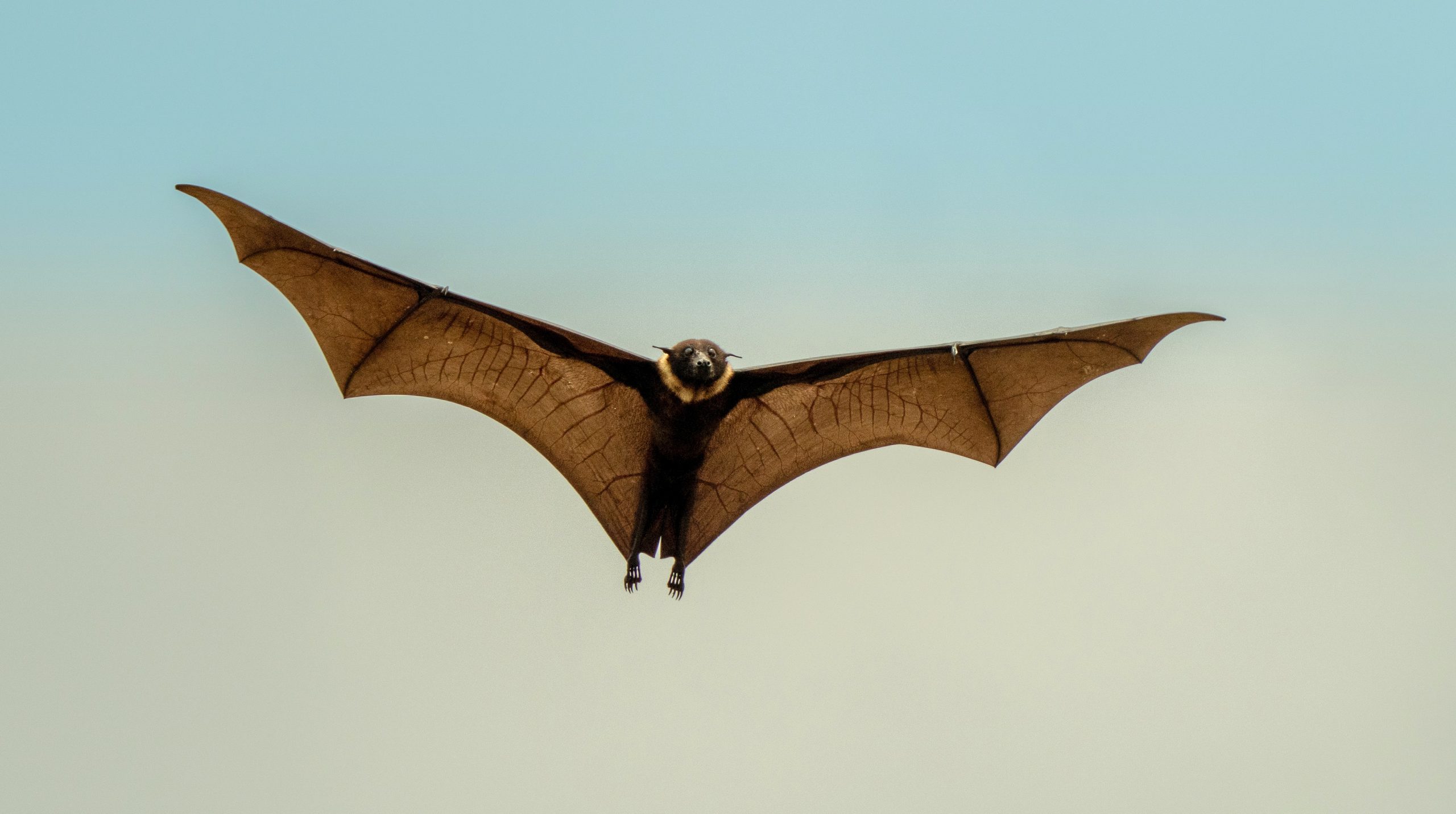
Villagers in our part of south Nepal have been delighted by the recent arrival of a colony of around 30 Indian Flying Foxes. These remarkable ‘fruit bats’, which are usually active at night, have also been spotted during the day, soaring overhead and foraging for food. They feed on nectar and a variety of fruits, including mangoes, bananas and their particular favourite, the Gular – a species of Asian fig.
This is a rare and encouraging sight in the area. The Indian Flying Fox is classified as Near Threatened, with habitat loss caused by deforestation posing the greatest risk to its survival. That is why the rapid-growth Miyawaki forests we have planted in the area are so important. These dense, biodiverse forests provide safe habitats and include fruit-bearing trees such as Gular, helping to support local wildlife alongside the wider environment.
I wanted to share the villagers’ excitement with you through these photographs, which were sent by my colleague, Dev Narayan Mandal. A keen photographer, Dev captured these wonderful images this week:
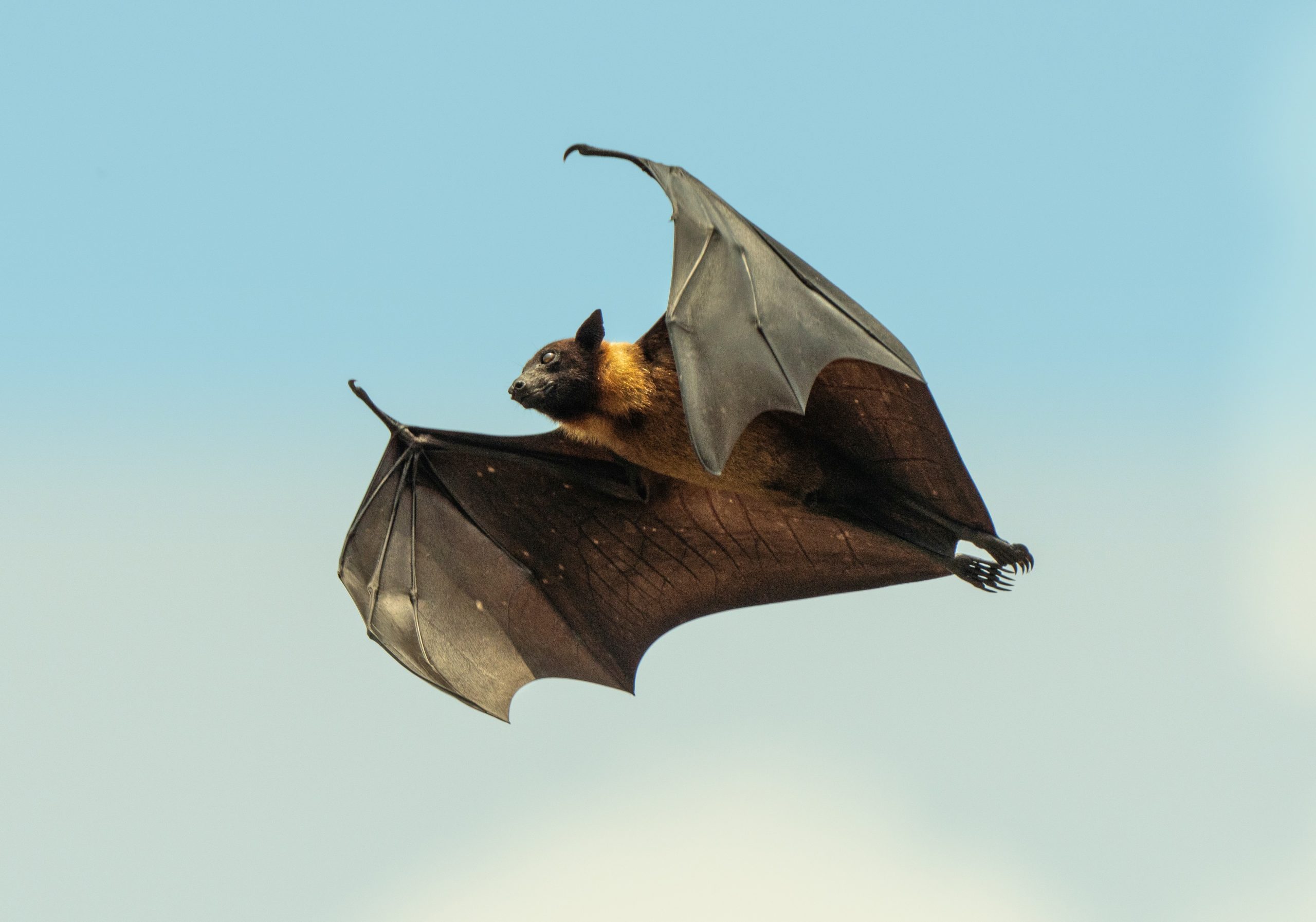
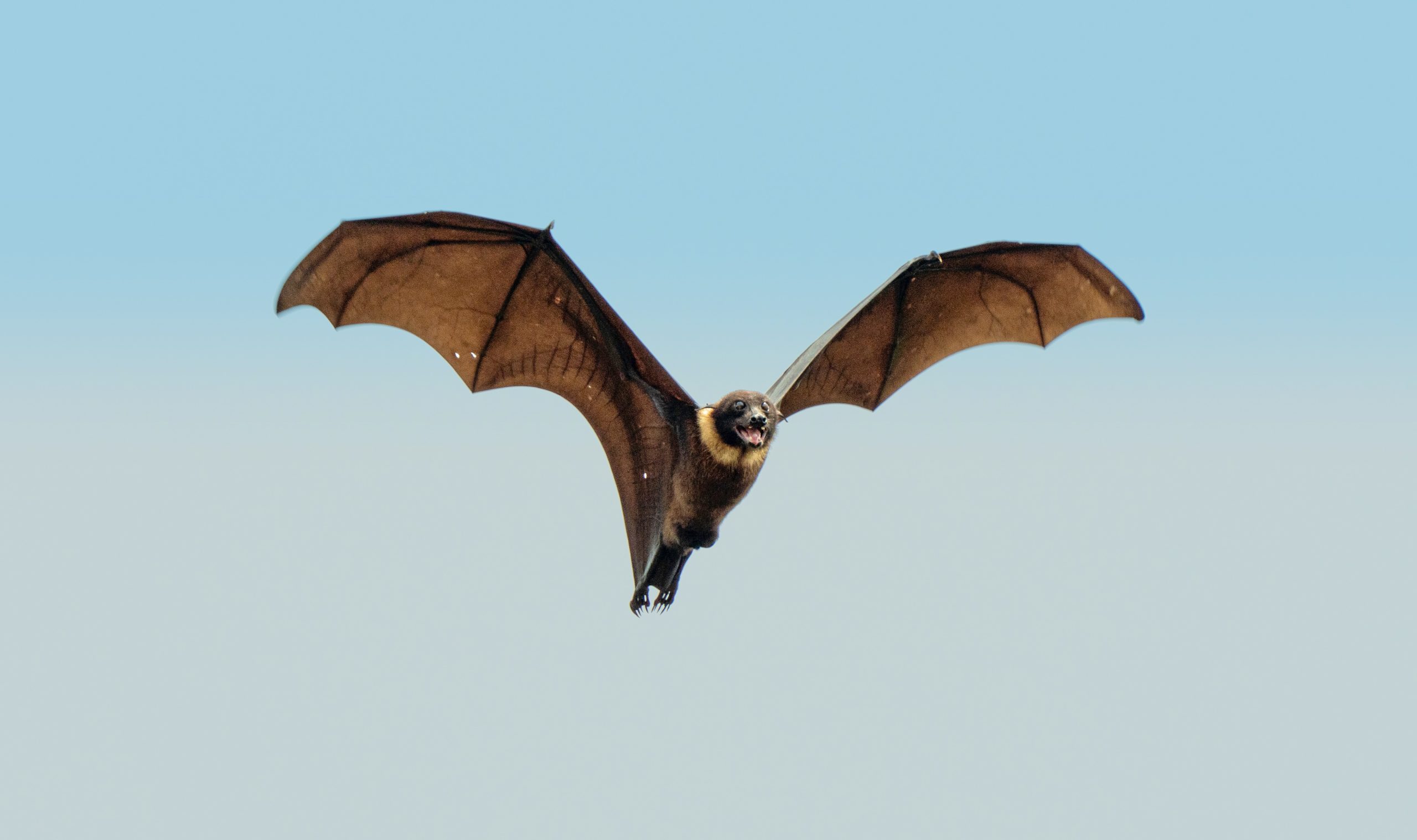
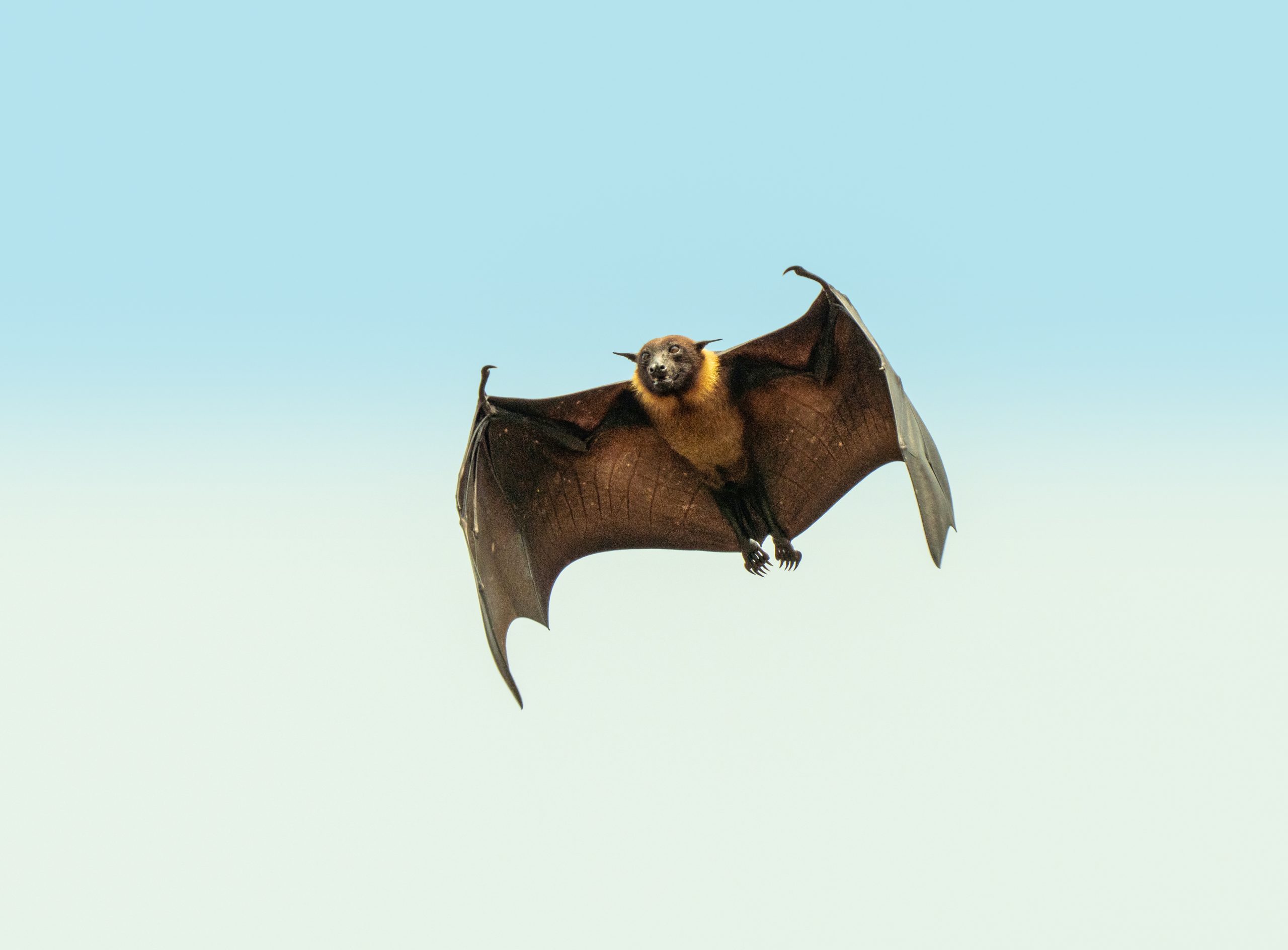
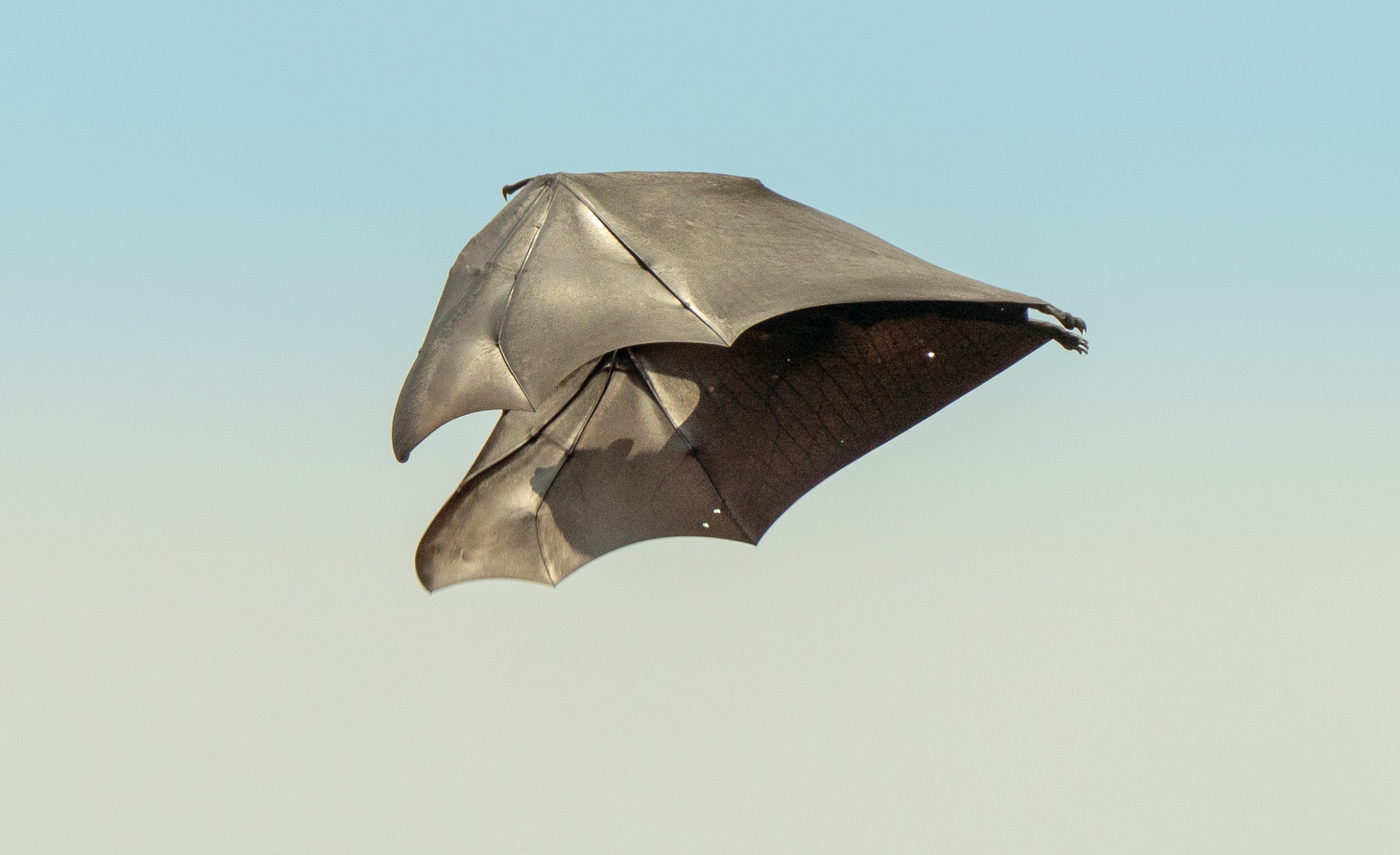
I find that there is something other-worldly about these beautiful animals. With their vast wingspans and ancient appearance, they seem like creatures from another age. Yet their presence here is a reminder that healthy ecosystems can support both people and wildlife.
For us, the goal is not simply wildlife conservation, important though that is. It is about helping communities and nature to thrive together. When habitats are restored and managed well, there is space for both. The flora and fauna of Nepal’s southern plains can once again become part of the rich fabric of everyday village life, for all to enjoy.
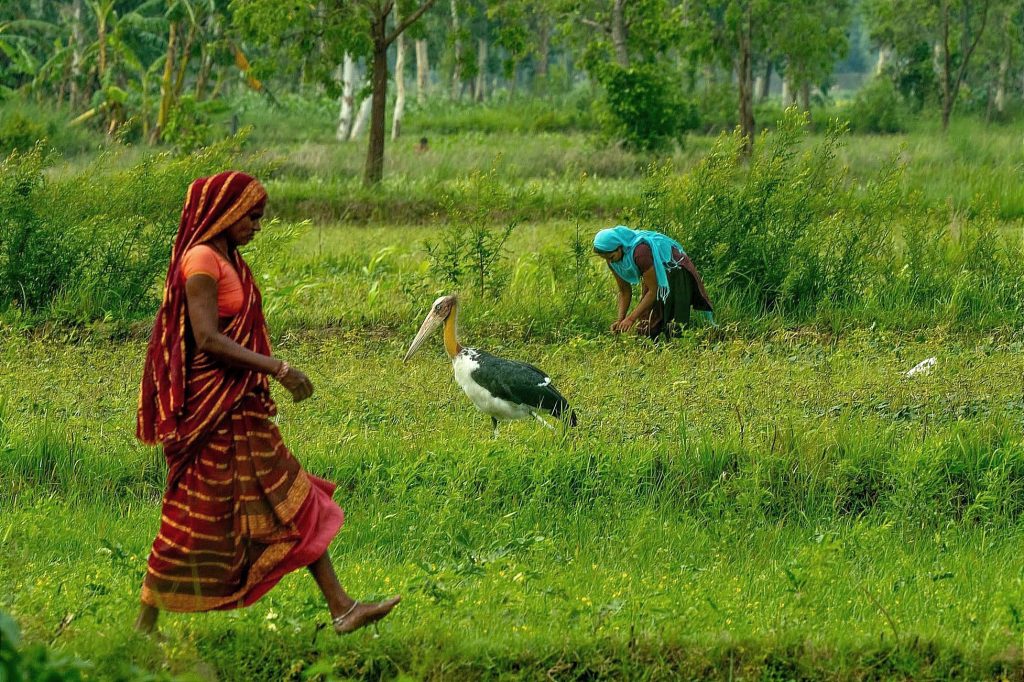
That harmony is illustrated beautifully in the photograph below, received earlier this week, showing village women going about their work alongside a Lesser Adjutant Stork – another remarkable species that shares this landscape with local communities.