After the floods: Creating opportunities for Nepal’s orphaned children
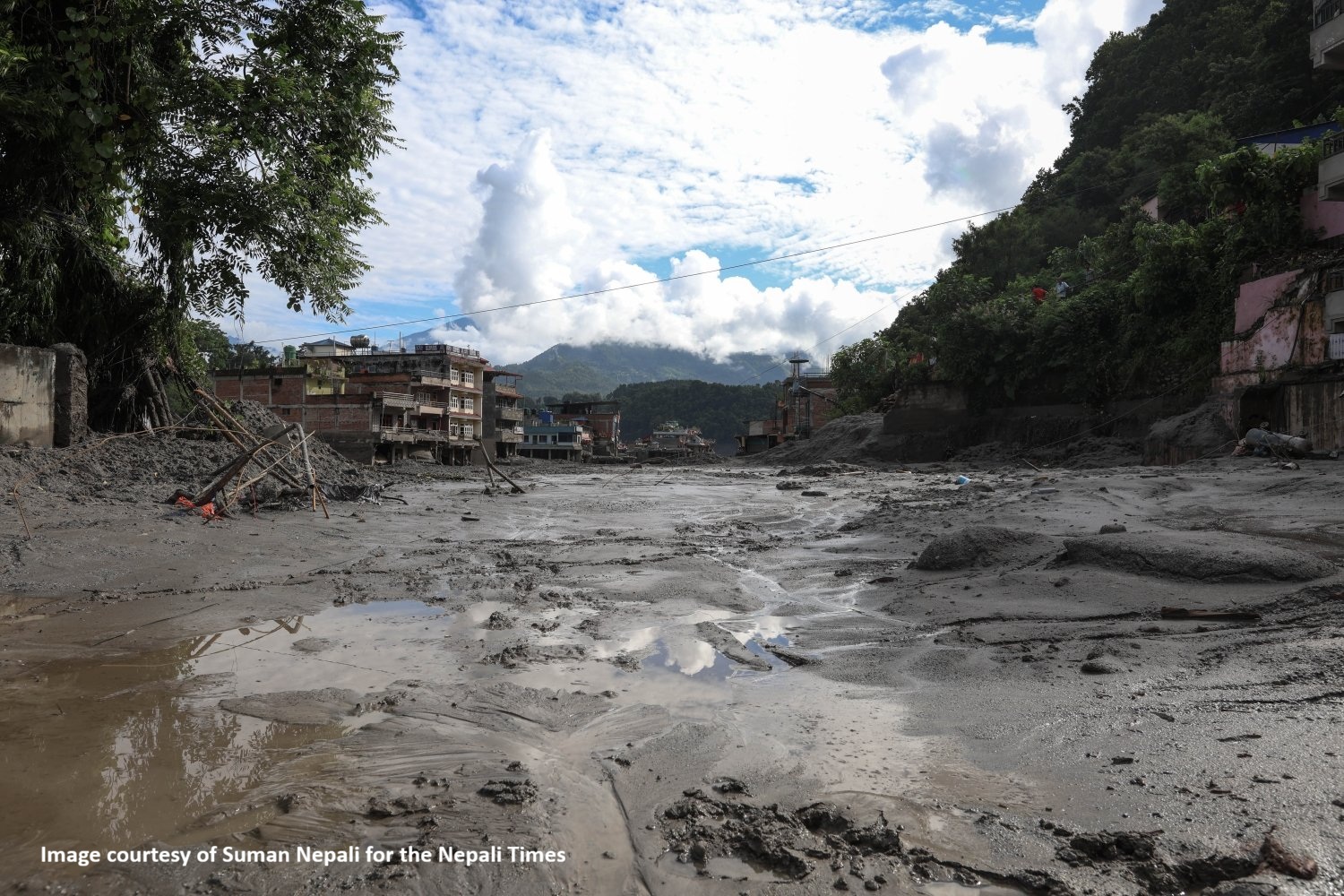
Yesterday, Pipal Tree’s Trustees met to decide how best to use the funds raised following the devastating flash floods that struck Rasuwa, Dhading and Nuwakot Districts in northern Nepal in August 2026.
Joining our meeting were two colleagues from Nepal – Mrs Lily Katuwal KC, Founder of our social enterprise partner Lily’s Leaves, and Mr Dev Narayan Mandal, Founder of the NGO Mithila Wildlife Trust and a committee member of Lily’s Leaves.
We reached some important decisions that I would like to share with our supporters.
An extraordinary response to an extraordinary disaster
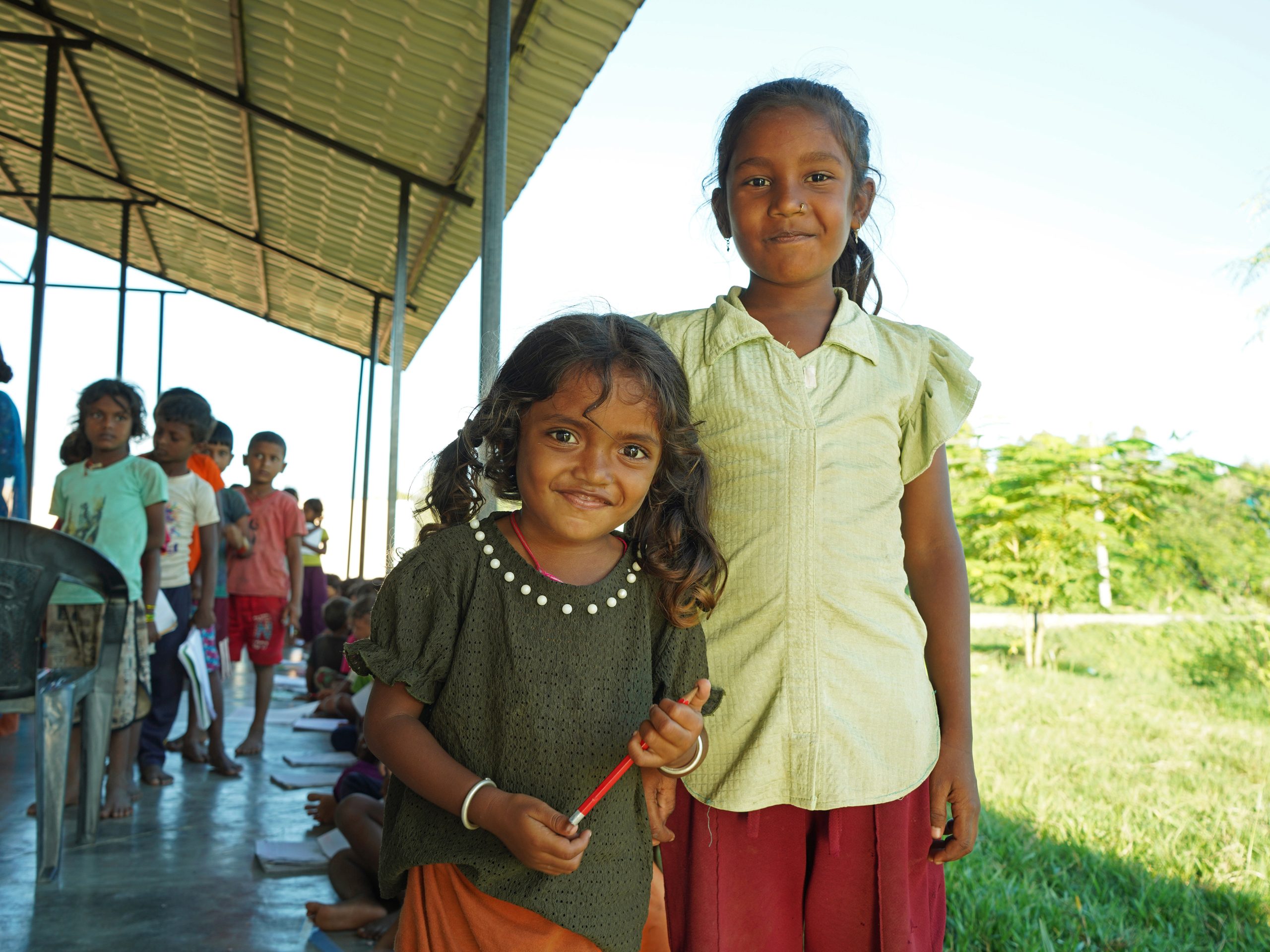
Immediately following the floods, we launched an emergency Big Give appeal to help children who had lost one or both parents — orphans and semi-orphans. Our supporters and partners responded with extraordinary generosity, helping us raise approximately £105,000.
Meanwhile, the international response to the disaster was immense. Governments, the United Nations, major aid agencies, charities and individuals mobilised substantial resources. Nepal’s increasingly influential Non-Resident Nepali (NRN) community also played a prominent role. For example, among the most significant individual commitments was a pledge of approximately £3 million from Australian Nepali billionaire Shesh Ghale and his wife, Jamuna, through their foundation, towards supporting children affected by the disaster.
By late October, approximately £87 million had reportedly been contributed to Nepal’s Prime Minister’s Disaster Relief Fund. Of this, around £5 million had been transferred to the National Disaster Risk Reduction and Management Authority, with approximately £800,000 reported as distributed onwards to affected districts and local authorities. These figures reflect the position reported at that time and do not necessarily capture subsequent expenditure.
The scale of this response was remarkable. But it also presented us with a dilemma.
Finding the gaps rather than duplicating the work of others
Our assessment in the immediate aftermath was that, with so much international funding and relief material being mobilised, there was little value in Pipal Tree adding its relatively modest resources to the immediate relief effort.
There was certainly no shortage of supplies being sent to Nepal. The principal difficulty was getting them to the people who needed them, particularly in remote communities where roads and bridges had been swept away. This was an enormous logistical challenge, but not one that a small charity such as ours was equipped to resolve.
Instead, we asked Lily’s Leaves to undertake a rapid assessment across the three affected districts, looking particularly at the circumstances of children who had lost one or both parents.
Essentially, we wanted to identify the gaps in provision. Where could Pipal Tree make a real difference without duplicating what others were already doing?
This has proved a difficult and time-consuming exercise. The floods destroyed local government offices and claimed the lives of public officials, making the task of establishing reliable information particularly challenging.
Although the assessment report is not quite complete, its preliminary findings have given us sufficient information to decide on a way forward.
There is also an important matter of accountability. As Trustees of a UK-registered charity, we have a responsibility to ensure that supporters’ donations achieve their intended charitable purposes and that we maintain appropriate oversight of expenditure overseas.
The Charity Commission’s guidance makes clear that charities working through overseas partners must have appropriate arrangements for due diligence, monitoring and verification of how funds are used. We cannot simply transfer substantial sums to Nepal and hope for the best.
But this is about more than compliance with charity law. We owe it to our supporters, and especially to the children we are trying to help, to make every pound count.
What happens when an orphaned child turns 16?
One of the conclusions we reached yesterday was that our funds could have the greatest impact by helping orphans and semi-orphans move forward in life as they reach the age of 16 and beyond.
Understandably, much of the immediate attention following the disaster has focused on younger children who have lost their parents. From what we have established so far, substantial provision is being made for their immediate care and welfare, although we recognise that needs will vary and some gaps may remain.
But what happens to these children as they grow older? And what about those who were already in their teenage years when the floods struck?
These young people are vulnerable in a different way. They may have completed basic schooling but lack the financial and family support needed to continue their education, learn a trade or secure their first job.
Of course, limited opportunities for young people are by no means unique to Nepal. But the problem is particularly acute there. Every year, large numbers of young Nepalis leave their country in search of employment, often as migrant workers in the Gulf states, Malaysia and elsewhere.
For a teenager who has lost a parent, the prospects can be even more daunting. The family member who might have paid college fees, provided accommodation or helped them find employment is no longer there.
We believe this is where Pipal Tree can make a lasting difference.
Our Disaster Orphans’ Opportunity Programme
From 2027, we intend to invite applications for individual grants through a new Disaster Orphans’ Opportunity Programme, designed specifically for young people who lost one or both parents in the August floods while under the age of 18.
The emphasis will be on providing opportunities for education, training and employment as these young people reach the age of 16 and beyond. Some may be eligible for support immediately, while others may benefit several years from now when they reach an important stage in their education or development.
Grants could help young people to:
- Continue into Plus Two, Nepal’s two-year higher secondary education programme, broadly equivalent to A levels in the UK.
- Attend university, college or other further education courses.
- Undertake vocational training to acquire practical skills and qualifications.
- Enter employment through a subsidised first-year placement, giving an employer an incentive to offer training and a young person the opportunity to establish themselves.
Importantly, funds will be paid directly to education and training providers or employers, rather than being handed to beneficiaries as cash. This will allow us to monitor expenditure, reduce risk and demonstrate exactly how donations are being used.
Each successful applicant will be eligible for just one grant, although this may cover several years of education or training. This will help us distribute opportunities fairly among eligible young people.
We will work closely with local facilitators and field staff to identify suitable applicants, assessing their circumstances, educational background, motivation and commitment.
Crucially, we will verify eligibility through local government, including recommendations from the relevant Ward authorities. We want this programme to complement local government responsibilities, not bypass them through private arrangements.
We will also establish clear policies for selecting beneficiaries, monitoring their progress and measuring the outcomes of the grants.
Our ambition is simple: to give young people who have lost parental support a genuine opportunity to build independent, fulfilling lives.
A pioneering approach to disaster recovery
At Pipal Tree, we have always sought to do things a little differently.
Our pioneering introduction of the rapid-growth Miyawaki Method has already helped establish ten urban forests in Kathmandu Valley and ten forest plantations in Madhesh Province, demonstrating how degraded environments can be restored remarkably quickly.
We now have an opportunity to apply that same spirit of innovation to disaster recovery.
Individual education and opportunity programmes are not a new idea internationally. Similar approaches have been adopted following major tragedies, including the terrorist attacks of 11 September 2001 in the United States. However, we are not aware of an equivalent, specifically targeted programme having been established in Nepal for children orphaned or semi-orphaned by a natural disaster.
We hope that our Disaster Orphans’ Opportunity Programme will provide a model that other charities, NGOs and government agencies can adapt or build upon.
Over the coming months, we will develop a detailed policy and operating framework, drawing upon the experience we have already gained through our education and scholarship programmes in Madhesh Province.
And there is no reason why the programme should be limited to the survivors of the August 2026 floods. In time, it could be extended to help children who lose parents in future disasters, providing a means of recovery and building resilience long after the immediate emergency has passed.
We are not a disaster relief charity
Perhaps the most important lesson we have drawn from the August catastrophe is that Pipal Tree should not aspire to become a conventional disaster relief charity.
That is not where our strengths lie.
There are large, experienced organisations with the resources, personnel and logistics to respond to emergencies on a scale that we could never hope to match.
We will, of course, continue to respond to disasters in Nepal. But rather than attempting to compete with established relief agencies, we will seek to identify those people whose needs risk being overlooked once the immediate emergency has passed.
In particular, we want to help survivors rebuild their lives and secure their futures.
This approach also offers something important to our supporters. Their donations will not disappear into a vast emergency relief operation. Instead, we aim to show how individual young people have benefited — completing their education, gaining qualifications, finding employment and achieving financial independence.
Those outcomes may take several years to emerge, but that is precisely the point.
The headlines may have moved on. The needs of the survivors have not.
We will continue to welcome donations to our Disaster Orphans’ Opportunity Programme, including gifts in Wills, which could help us extend these opportunities to children who lose their parents in future disasters.
Finally, to everyone who contributed to our emergency appeal, thank you for your generosity and your trust.
We recognise that some supporters may have expected their donations to be spent immediately. We hope this explanation demonstrates why we believe that taking a longer-term approach will achieve something of far greater and more lasting value.
The money is there. Our responsibility now is to use it wisely.
And if, several years from now, a young person who lost a parent in the August 2026 floods is able to graduate, qualify in a trade or establish a secure livelihood because of your generosity, we will know that we made the right decision.