Amid the chaos following last week’s landslide and flash-flood disaster, it remains extremely difficult to establish its true scale. UNICEF estimates that around 50,000 people – including 17,000 children – have been affected across three of Nepal’s 77 districts: Rasuwa, Dhading and Nuwakot.
As of this morning, Nepal’s National Disaster Risk Reduction and Management Authority reports 903 confirmed deaths, 4,247 people missing and 267 injured. Figures from Tibet remain unclear and may be understated, while there is also a risk of duplication in cross-border reporting. The Himalayan Times reports a combined toll of 919 dead and 4,793 missing.
The wider damage is immense. The Nepali Times reports that Nepal has lost around 10% of its hydroelectric generating capacity. Meanwhile, on a positive note, the Prime Minister’s Natural Disaster Relief Fund reportedly holds approximately £24 million, although it is unclear how much of this represents new donations received since the disaster.
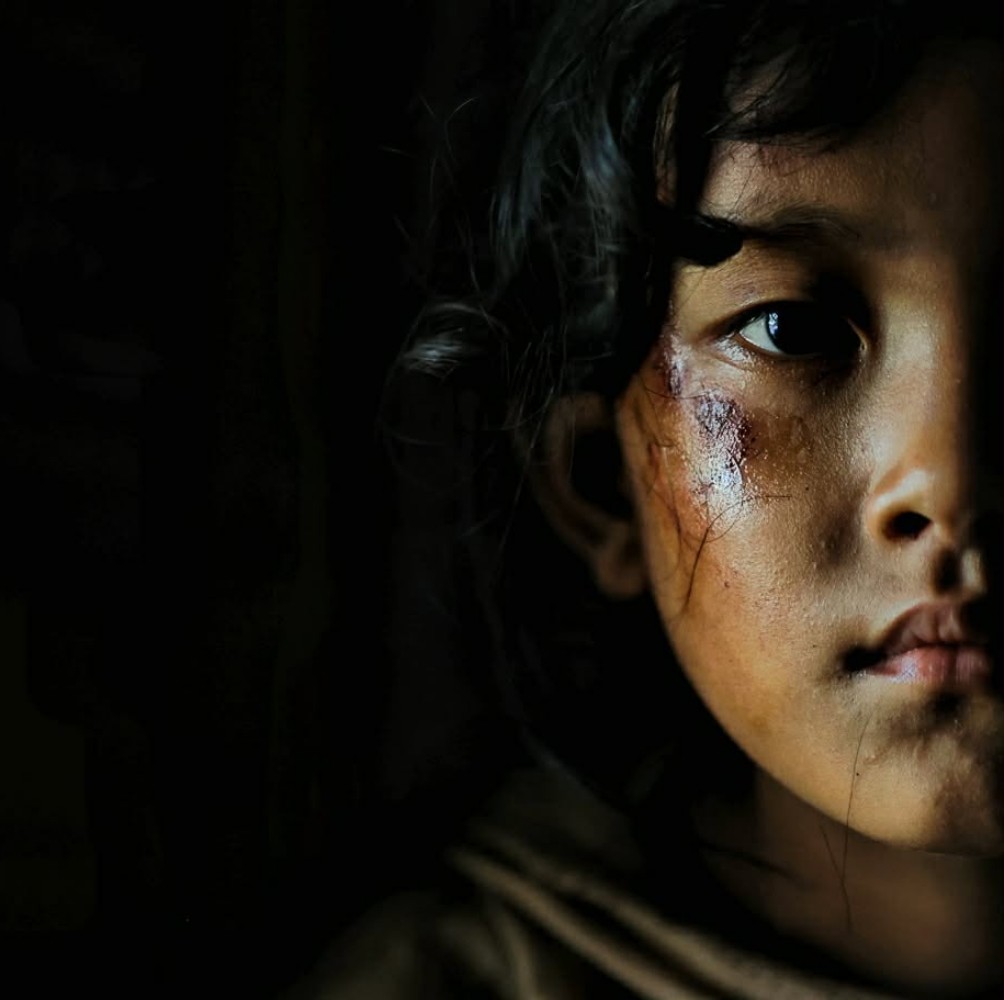
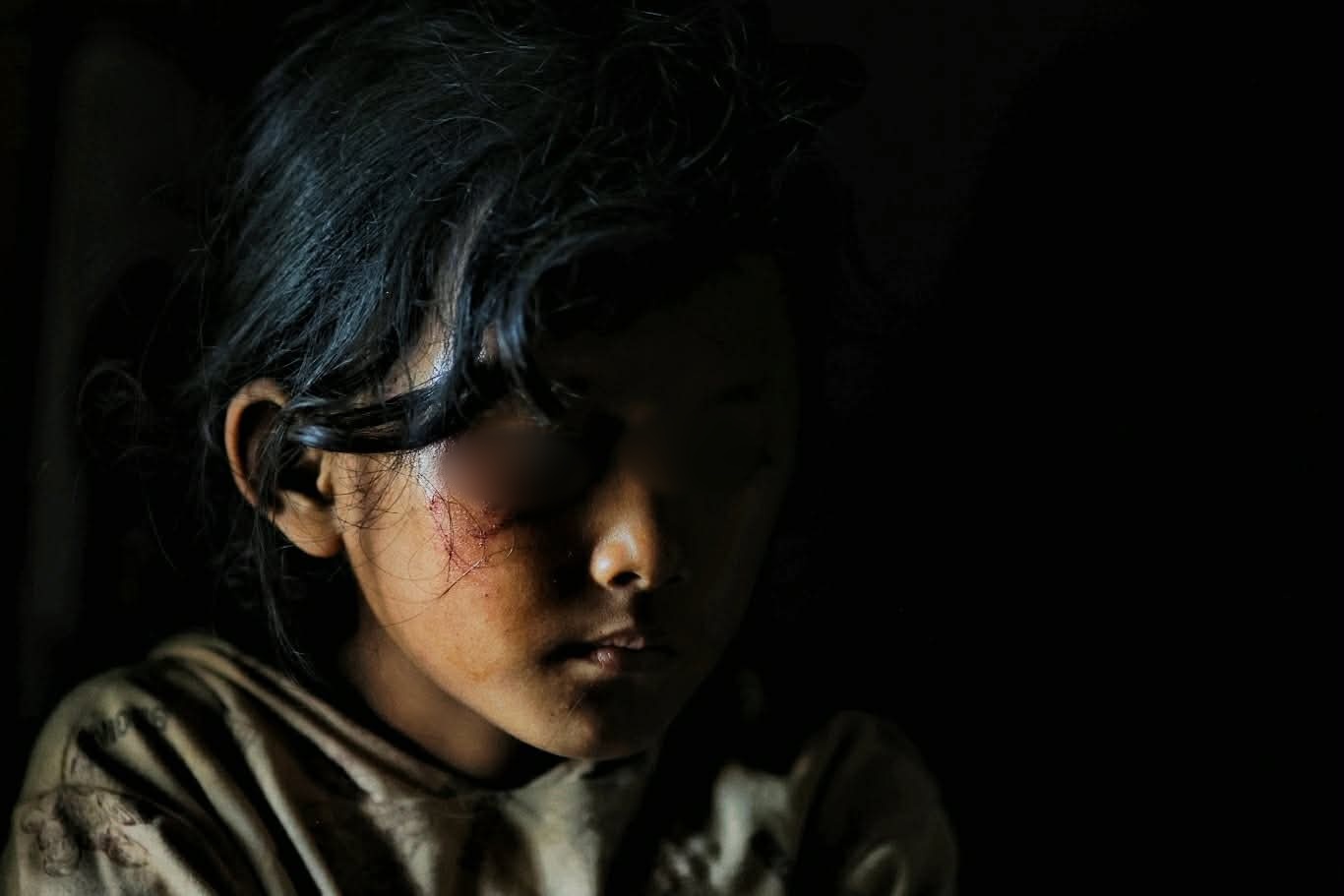
Yesterday, however, my colleague in Nepal, Dev Narayan Mandal, shared a different statistic that has haunted me ever since: 473 displaced children are currently being accommodated temporarily in army camps and government buildings.
We hope that many will be reunited with parents or other family members. Dev believes that some adults may still be stranded in the forests or mountains. The terrible reality, however, is that many of these traumatised children may never see one or both of their parents again.
It is these children – and others left without adequate parental care by future disasters – whom Pipal Tree’s new Children’s Emergency Relief Fund will support. The fund is not intended for general community relief, emergency rescue or the distribution of food and other supplies. Its specific purpose is to provide sustained, carefully targeted assistance to children whose lives have been devastated by disasters.
Children left without parental care become the responsibility of the Nepal government, working through the appropriate District Child Welfare Committees, chaired by each district’s Chief District Officer. In the past, children orphaned by disasters were often placed in orphanages, sometimes with very poor outcomes, although I know personally of some excellent residential childcare facilities that provide a vital safety net in extreme circumstances.
Today, the government rightly prioritises family-based care for orphaned and semi-orphaned children. Pipal Tree will complement this approach by helping children remain safely within their extended families and communities wherever possible. Support might include help with accommodation, education, healthcare, counselling and essential household costs, according to each child’s circumstances and the government’s assessment of need.
Even before this latest tragedy, we had begun reviewing our future goals and activities against the backdrop of a rapidly deteriorating climate. We must confront the reality that the climate crisis is not going away. Political and economic interests continue to override the science, while frontline communities endure consequences such as these devastating floods.
Planting forests remains critically important, but it can never be a silver bullet. We must also help vulnerable communities adapt, strengthen their resilience and prepare for increasingly frequent disasters. And within that goal, when catastrophe strikes, we must have the resources and local capacity to provide sustained support to the children whose lives have been changed for ever.
To that end, our Big Give appeal for the Children’s Emergency Relief Fund is now underway, with an initial target of £88,000. We aim to increase this as further matching pledges are secured over the coming weeks. Ultimately, a fund of around £1 million would give us a far more credible capacity to support children affected by major disasters. We intend to build and replenish it through public donations, grants and gifts in Wills.
Alongside this fundraising, we will appoint field staff in Nepal who can liaise with District Child Welfare Committees anywhere in the country. They will help identify children requiring support, assess needs carefully, monitor assistance and ensure that our precious funds complement the Nepal government’s own provision.
We all feel an instinctive need to respond to this catastrophe – and to respond urgently. That is the human thing to do. Yet the greatest immediate obstacle is not necessarily a shortage of money, but the immense logistical challenge of reaching survivors. Relief workers are heroically contending with dreadful weather, impassable roads and the continuing threat of further flash floods.
Those wishing to support the immediate, general relief operation may choose to contribute to the Prime Minister’s Natural Disaster Relief Fund. Pipal Tree’s appeal has a different and more specific purpose – to support child survivors after the initial emergency has passed, family circumstances have been established and the disaster has begun to slip from the headlines.
Every gift to our appeal, made in any major currency, will automatically be doubled.
Please donate using the button below. Thank you.