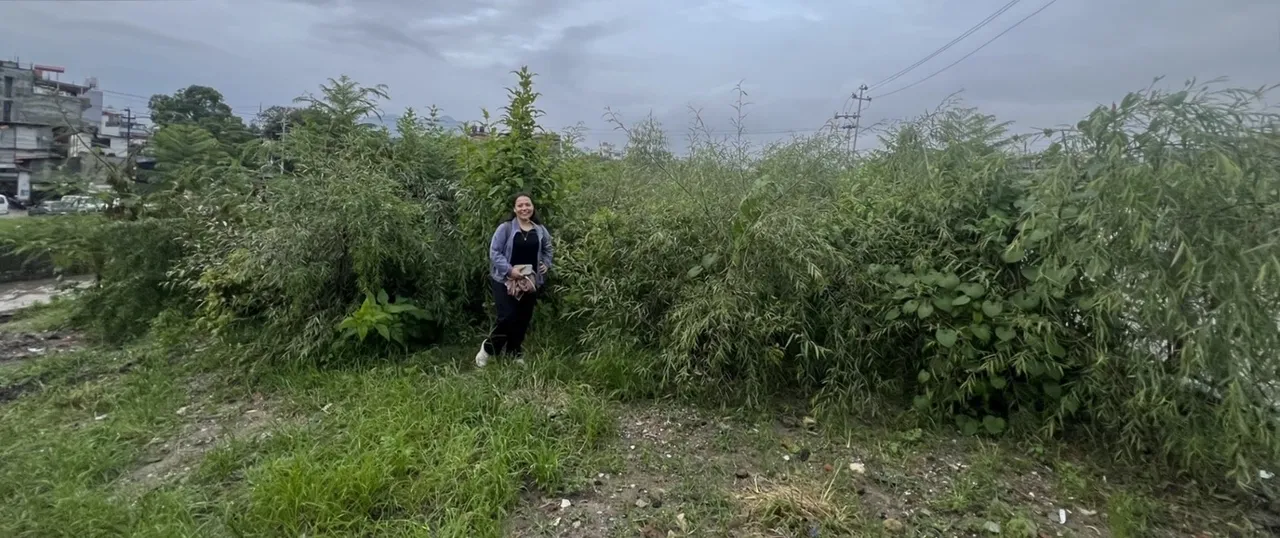
In one major respect, my visit to Nepal last month proved to be a very sobering experience. I had gone there fully aware of the damage that had been caused in Kathmandu by the terrible floods in September. However, I was not at all prepared for the devastation that I witnessed to the south of the capital. We followed what was left of the road that used to be the main thoroughfare between Kathmandu and Janakpur. It has become like a war zone with the road largely swept away (almost impassable) and houses either collapsed or teetering on the brink. There are landslides on either side of the valley that run for miles. I haven’t seen the like of this since the 2015 earthquakes and I gather that this picture is replicated across the whole country. It is hard to see how the communications can be restored and, even if that were possible, it’s very likely that the huge investment would be wasted as there’s every possibility of a repeat of the disaster. The valley seems to have become uninhabitable. This is the economic impact of climate change.

Flood devastation to the south of Kathmandu
By contrast, I felt uplifted to see our reforestation projects that are progressing really well. It was a real delight to visit our rapid-growth Bird Park and Gurkha Memorial Forest plantations in south Nepal. We have planted these using the pioneering Miyawaki Method that encourages trees to grow ten times faster than normal. These sites have become nature hotspots. As I was leaving the Bird Park three noisy Red-naped Ibises flew overhead. They are now resident in the area. What a wonderful sight!

Red-naped Ibises

Red-naped Ibis
Whle I was there, Dev, the Founder of the Mithila Wildlife Trust, pointed out to me an area of unregistered land that lies immediately to the south of our Bird Park plantations. This was formerly a river and he’s hoping to get permission from the local authorities to develop that as a Miyawaki forest too. He enjoys good relations with the authorities and, with luck, we may get the land donated to us. We can but try.
Elsewhere in south Nepal, I was inspired by my visit to the first of 13 planned Gurkha Memorial Forest (Miyawaki) plantations that was planted out just a year and a half ago. As I approached the site – a combination of a forest and a water hole – a Little Cormorant took off. There are clearly lots of fish in the pond and there were dragonflies everywhere. It’s fabulous to be able to create such living, tranquil, memorials.

Gurkha Memorial Forest - 1 (GMF-1) - a combined Miyawaki forest and water hole
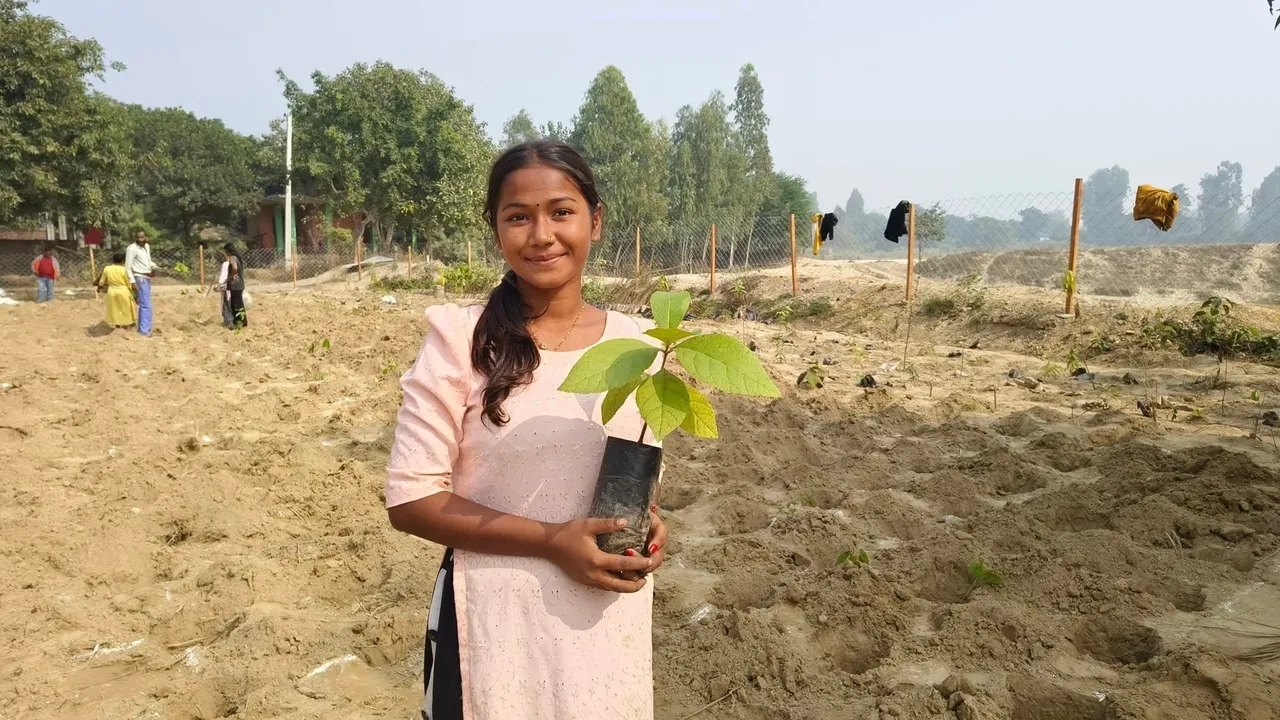
I was very pleased to visit the third Gurkha Memorial Forest site (GMF-3) where students were busy delivering saplings while an excavator prepared the land for planting.

Students delivering saplings to the GMF-3 site

Saplings being planted at the prepared site
While visiting the GMF-1 and GMF-3 sites, I recorded this short film that gives a little bit more of the important back story.
Today is your chance to support this lovely project through a gift made via The Big Give – if you’re quick your donation can automatically double in value! Just follow the link below – and dig deep. As deep as we’re digging in south Nepal!